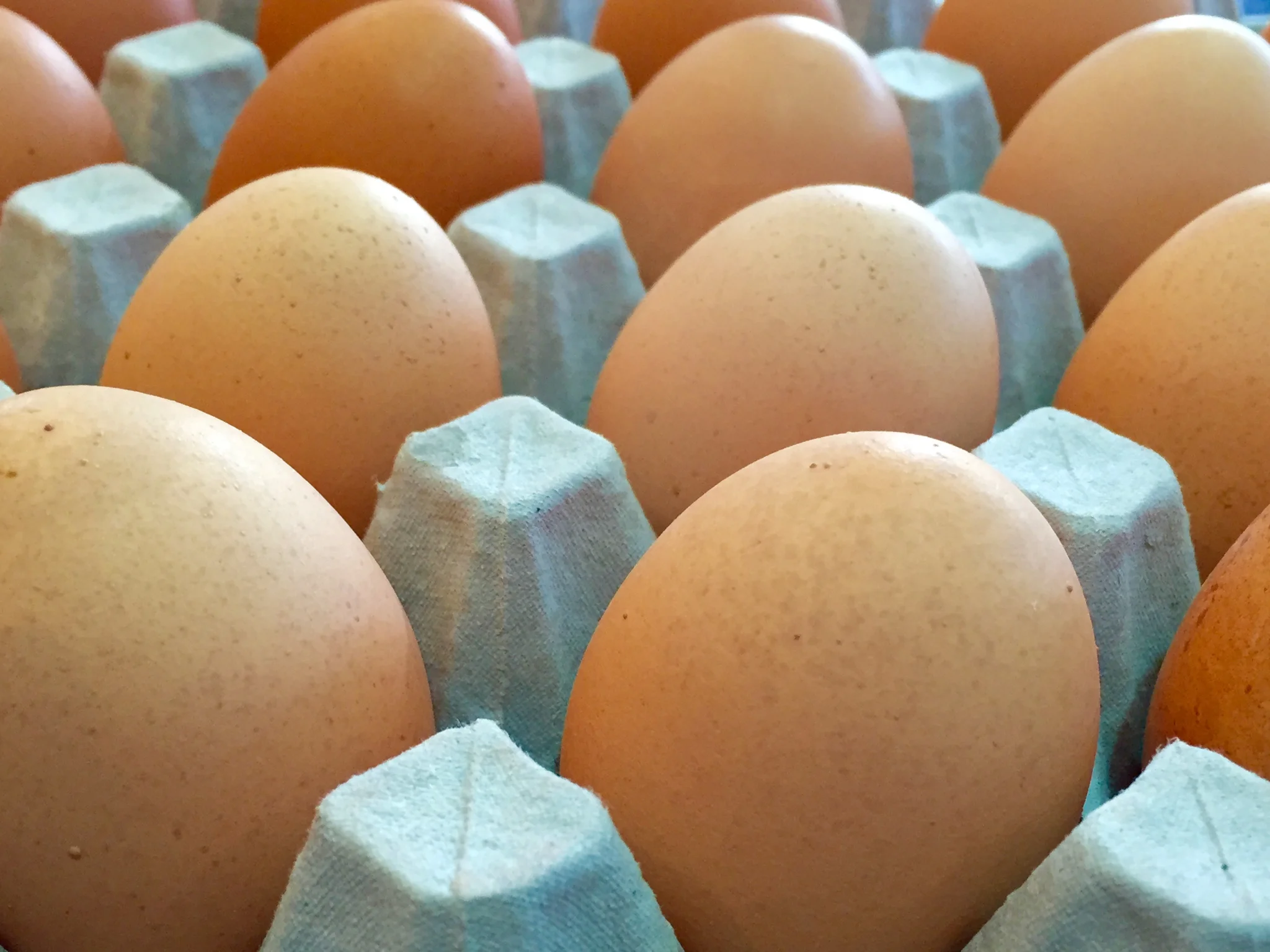
We read a lot about food, and we think about it too. Others have written that an egg is the perfect protein pack and a meal in minutes - and that no kitchen should be without one, or a dozen. But which ones to choose, and how much to pay……
Eggs have a lot going for them. For low calories, an egg provides protein, vitamin D, a variety of B vitamins, and essential minerals such as iron and zinc. There are so many things to do with eggs. And an egg is fast and easy to cook and very economical, depending on which kind you buy. More about that pricing later.
What to choose
And that is the challenge. The most difficult thing about buying eggs might be deciding which carton of eggs to take: farm-fresh, free-range, cage-free, barn-raised, pasture-raised - and the rest.
Most eggs that New Zealanders eat are infertile eggs produced by hens farmed intensively and housed in battery cages, currently around 89% of all eggs eaten. But there is growing consumer demand for free-range eggs, and supermarket sales have grown by around 24% in the last two years. Now nearly 10% of eggs sold in New Zealand have a free-range label. And eggs that carry a free-range label command a premium, retailing for more than twice the price of cage eggs.
There can be a big difference, in flavour terms, of a naturally farmed egg compared to one produced commercially. The colour of an egg yolk depends on what the hen has eaten. A free-range hen tends to produce eggs with deep yellow yolks (although, yes, some birds farmed intensively are fed pigments that deepen yolk colour).
We’re hoping to visit some of those free-range hens soon, to see what they’re eating.
And we’ll tell you more about which carton to choose a bit later on too.
What to pay
Back to that question of eggs, and their pricing, especially the price of free-range eggs. We enjoy an egg farmer’s comments: a woman recently asked how could she pay $8 a dozen for eggs. The answer was, “How much do you pay for a cup of coffee?”.
And it’s good to realise that eggs are about as cheap now as they've ever been. Statistics New Zealand figures show the price of eggs has dropped dramatically in the last 50 years. Back in 1959 a dozen eggs cost the equivalent of today’s $10.14. You can now buy them (commercially farmed) for around a third of the price. The exception is free-range organic eggs, which can retail for around $10, similar to what consumers paid in the 1950s.
So, when you think about it, we are paying about the same now, for free-range organic eggs, that our grandparents did. Excellent value, we think.