We all know honey is a food made for us by bees, which are insects... But when you think about that a little more, there are not many foods where insects are the chefs.
Honey is the only one that is well known and available in sufficient quantities to make it viable. In fact, until sugar became widely available, honey was the principal sweetener used by humans. Centuries ago you weren't going to find yourself with a range of every type of sugar and nectar as you do today.
And it is also a food that New Zealand is becoming quite famous for - particularly New Zealand mānuka honey.
So, how is it made?
From flower to hive
Bees have a clever process for whipping up this sweet treat. Nectar is taken from flowers - bees have long tube like tongues, that must be a bit like a drinking straw. The nectar is popped into a special separate part of the bee's stomach. In there, it mixes up with other enzymes, that start to transform the nectar.
When the bee gets back to the beehive, the nectar gets sucked back up and is passed from the first bee, who found the nectar in the flower, to another bee in the hive. (This is officially called "regurgitation", which doesn't have pleasant connotations, but rest assured, it is an entirely voluntary act on the part of the bee. It is not bee vomit, as we have seen it described.)
The next bee will also partially digest the honey a little further, and then pass it on to the next bee who does the same thing. You probably get the picture by now. And on and on it goes, until it ends up in the honeycomb larder.
Even when it gets to the honeycomb, it's still fairly runny. To get the extra water out, bees use their wings to fan it - going flat out as little dehydrators. Once it's sticky enough, the bees produce a beeswax secretion to seal the comb.
A lot of hard work...
Bees do an awful lot of work so that we can have honey. To put it in context, for a 500 gram jar of honey, honey bees have had to wing it the equivalent of about three times around the world. And all these high flying worker bees are female... But, they won't work in the rain or the cold.
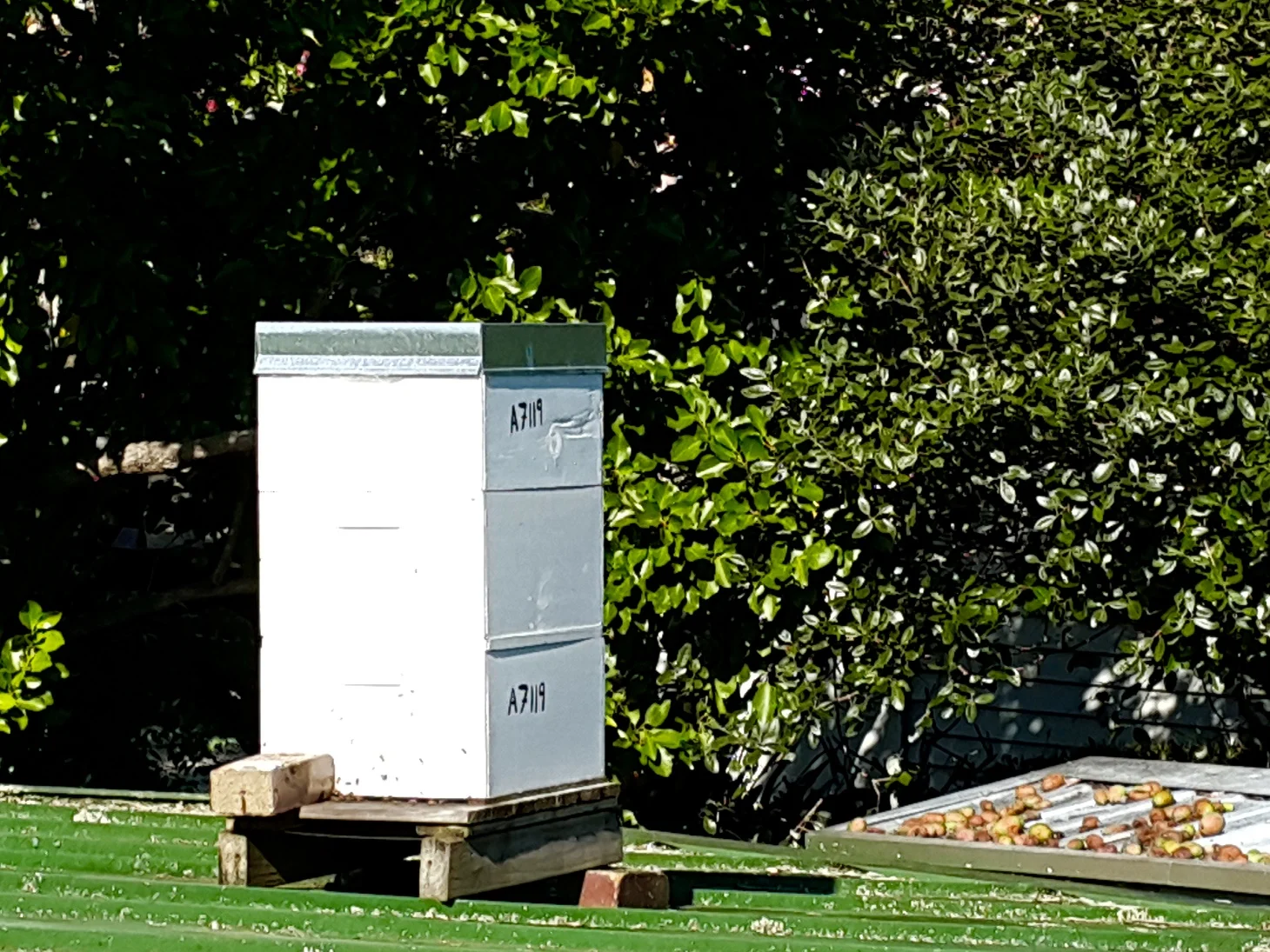
Beekeepers obviously play a part in all of this hard work. Their job is to collect the honeycomb frames and scrape off the wax caps sealing each honeycomb cell. You will certainly have seen images of beekeepers smoking out hives. The smoke makes the watchdog bees a little less alert, so they forget to let the attacker bees know that something is having a crack at the hive.
Once the frames are out of the hive, they are spun ferociously, and the honey comes out. Then it would usually be strained and popped into bottles.
Surely there's some honey left over for the bees
Bees make the honey in the first place so that the hive has something to eat through the winter months when flowers are scarce. However, the bees don't need all the honey that they make - or there would be a bit of a problem... Breeding of honey bees has resulted in bees that can produce more honey than required for their own survival. Phew.
And look out for more, soon, on our favourite New Zealand honey options.