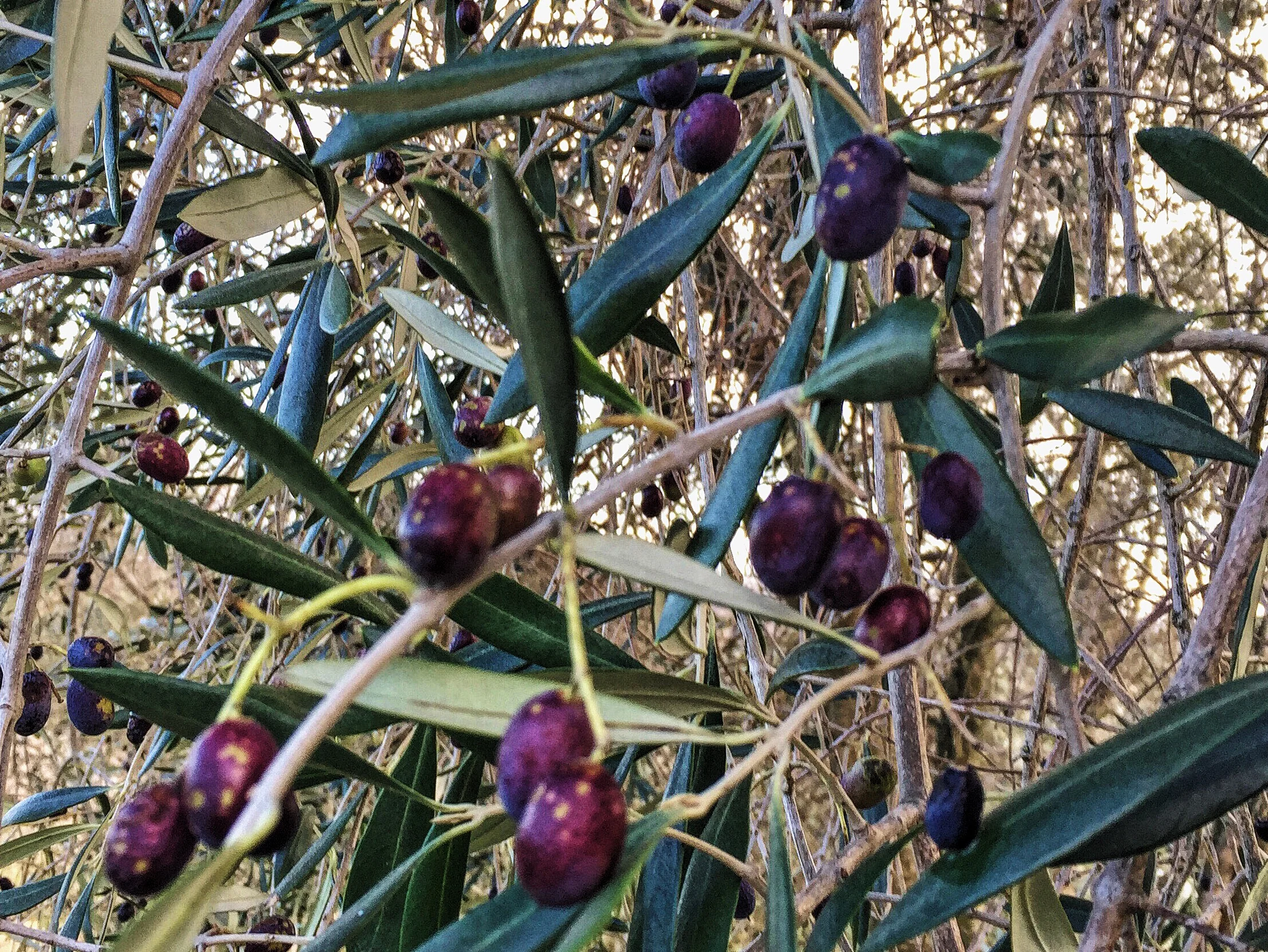
These days, on a journey from the bottom to the top of New Zealand, you will be hard pressed (excuse the pun) not to find a bottle of local extra virgin olive oil from just about every region you visit. Olive trees, which are hardy and known for growing as somewhat of a weed, have happily taken hold throughout the country, as backyard specimens, in very small hobby groves, right through to the rather large commercial groves. The best thing about all this, of course, is that we are spoilt for choice when it comes to sampling some fine local extra virgin olive oils.
The olive’s sacred origins
But, of course, the olive tree is not a New Zealand native. Indeed, it has been considered of sacred origins, the ancient Greeks believing the tree a gift from the goddess Athena, and the olive branch a recognised symbol of peace or victory.
We do know olives are at the very root of horticulture in the Old World, and spread from Persian regions through the Mediterranean around 6,000 years ago. They are, with dates and figs (more on figs here), among the oldest known cultivated trees in the world.
New Zealand has a history with olives dating back to at least the 19th century. There are olive trees in the grounds of the Waitangi Treaty House, which potentially date back to the 1840s. What’s more, olive trees have a lifespan of 300 to 400 years, so all things going well, they might be there for a wee bit longer still. Olives grow well here, the main limiting factor being frost. Big frosts mean young olive orchards freeze to death, and those middle-aged lose their fruit.
And New Zealand is not alone in its local olive oil expansion. Nowadays, olive cultivation has grown considerably in so many regions - including southern hemisphere nations - our own country, Chile, Argentina, Australia, Peru, South Africa, and Uruguay, whose top producers compete in the annual Los Angeles International EVOO competition. There are plenty of awards - some local, and some international - where New Zealand olive oils foot it with the best in the world.
Fresh is undoubtedly best
While there are many good reasons to buy local, when it comes to extra virgin olive oil, it’s really compelling. Long story short, the sooner the olives get to the press, and the sooner you have the oil after its pressing, the better. (It’s not like wine, it doesn’t improve with age.) And the oil's storage is important too - air, light and heat should be eliminated. Stainless steel is the best for bulk storage.
All this really means is the smart option is to get your hands on locally produced oil.
And what is extra virgin olive oil?
There is a pile of chemistry behind what constitutes "extra virgin olive oil” or “EVOO” - and this is the good stuff, that really is good for you. And by all accounts, it really is good for you - its anti-inflammatory and cardio-protective properties have been lauded for years, from when we first stumbled across the Mediterranean diet phenomena.
Putting aside a chemistry lesson in free fatty acid levels, among other things, EVOO must be an entirely natural product, mechanically extracted from the first press (rather than by using chemicals). This first mechanical press cannot get too hot - from which comes the expression “cold pressed extra virgin olive oil”, but all real EVOO must be cold pressed. There’s even an Internal Olive Council (the very authoritative sounding "IOC”) that sets the rules about what qualifies. And be under no illusion. EVOO is quite a different proposition to other "olive oils" - which might be called virgin olive oil, or pure olive oil, or olive oil - all of which, put simply, don’t pass the goodness tests.
Now, this can all be quite confusing. Helpfully, there is New Zealand certification. The red “certified extra virgin olive oil” sticker from Olives New Zealand means the oil you’re enjoying has passed the tests. And New Zealand’s certification adopts tighter standards than even the IOC. What’s more, oil with that red sticker must show the month of pressing on it. Very handy information!
The 2016 harvest
Olives for oil are harvested at slightly different times throughout New Zealand, depending on the climate. But, generally speaking, the harvesting window will be somewhere between April to July - earlier the further north you are, later the further south. So around now is a good time to start looking out for olive oils from 2016 harvests.
While it might not keep like wine, it is like wine in that EVOO does vary in taste remarkably depending on varietals, climate and terroir. So, for a real treat, there’s nothing better than a line up of a few of New Zealand’s fine extra virgin olive oils, some good bread, and simple homemade dukkah showcasing some fine New Zealand ingredients. That way, you really do get a chance to enjoy the regional differences. For our EVOO dunking dukkah idea, click here.