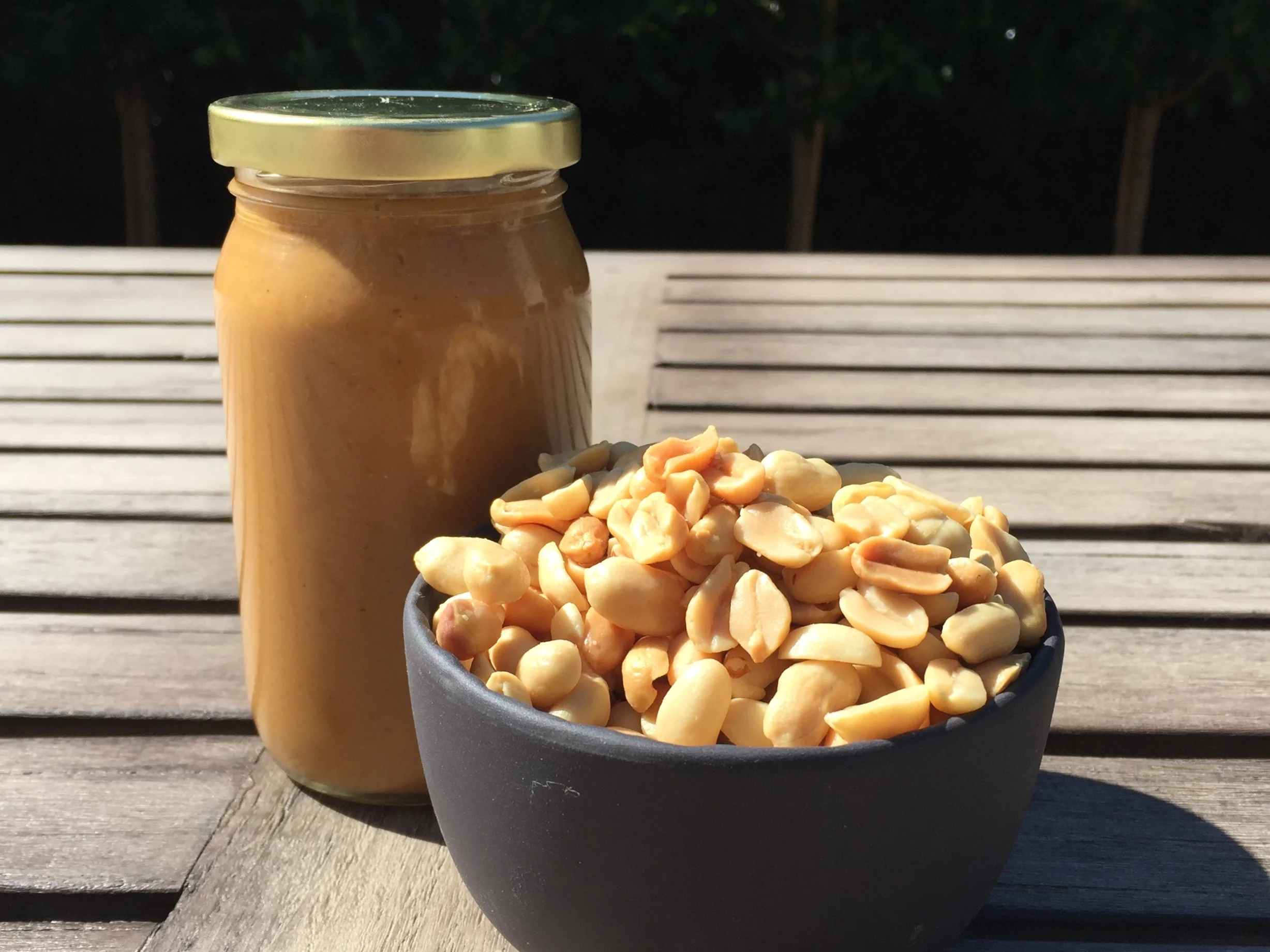
There will be thousands of New Zealand households of peanut butter fans, but there can still be family clashes on crunchy or smooth. In our case, generally crunchy graces the morning toast (providing the inspiration for this note), but occasionally there are hankerings for smooth. So which is better?
Crunchy wins out
Research into this important question indicates that crunchy might actually be better for you - more fibre, more unsaturated fat and less saturated fat. And either way, generally speaking, peanuts offer a variety of health benefits, being rich in healthy monounsaturated fats and other nutrients.
And whose idea was this?
So, while crunching away on the toast this morning, we pondered whether anyone was actually credited with "inventing" peanut butter. The nut itself originates from South America, and peanut pastes go back to the Aztecs. (This is also a clue why our favourite producers source their peanuts from Australia - the plants are keen on warmer frost-free temparatures.)
A little bit of research shows that a Canadian man actually patented peanut butter in 1884. The "peanut paste" was a nutritious food for people who couldn't really chew solid food. We figure dentristy in those times meant there was a bit of demand for this sort of thing.
The peanuts were roasted before they were turned into paste. Another subsequent patent seeker boiled the peanuts rather than roasting them. (Hmmm, not quite so sure about this.)
Another age old question - is the peanut really a nut?
The short answer is no.
A nut is a fruit, with a hard shell, and an edible inside. The peanut is not a fruit - its other name (apparently) is groundnut - it grows underground in the soil, as a legume pod containing seeds (peanuts).
What actually happens is that the pollinated flower - which starts above the ground (obviously) - gets sucked underground as the nuts develop. This is a pretty rare way for plants to deal with reproduction, and the peanut is the best known example of it.
Curiously, though, we have read that people allergic to peanuts are more likely to also have allergies to other tree nuts (cashews, almonds, brazils, etc), rather than other legumes (peas, beans, lentils)... And no-one really seems to know why peanuts (as opposed to other foods) create such prevalent, and at times violent, allergic reactions.
Just peanuts
Many varieties of peanut butter can contain stabilisers (to help keep the oil emulsified into the peanuts and prevent separation), and also other non-peanut oils, to help prevent separation. And they might contain added sugars or sweeteners, and salt. The best peanut butter contains nothing more than peanuts (and their own oil), and perhaps a bit of salt.
There are many great New Zealand brands we enjoy on our morning toast. And, for a change, you could also try our homemade peanut butter idea: click here.