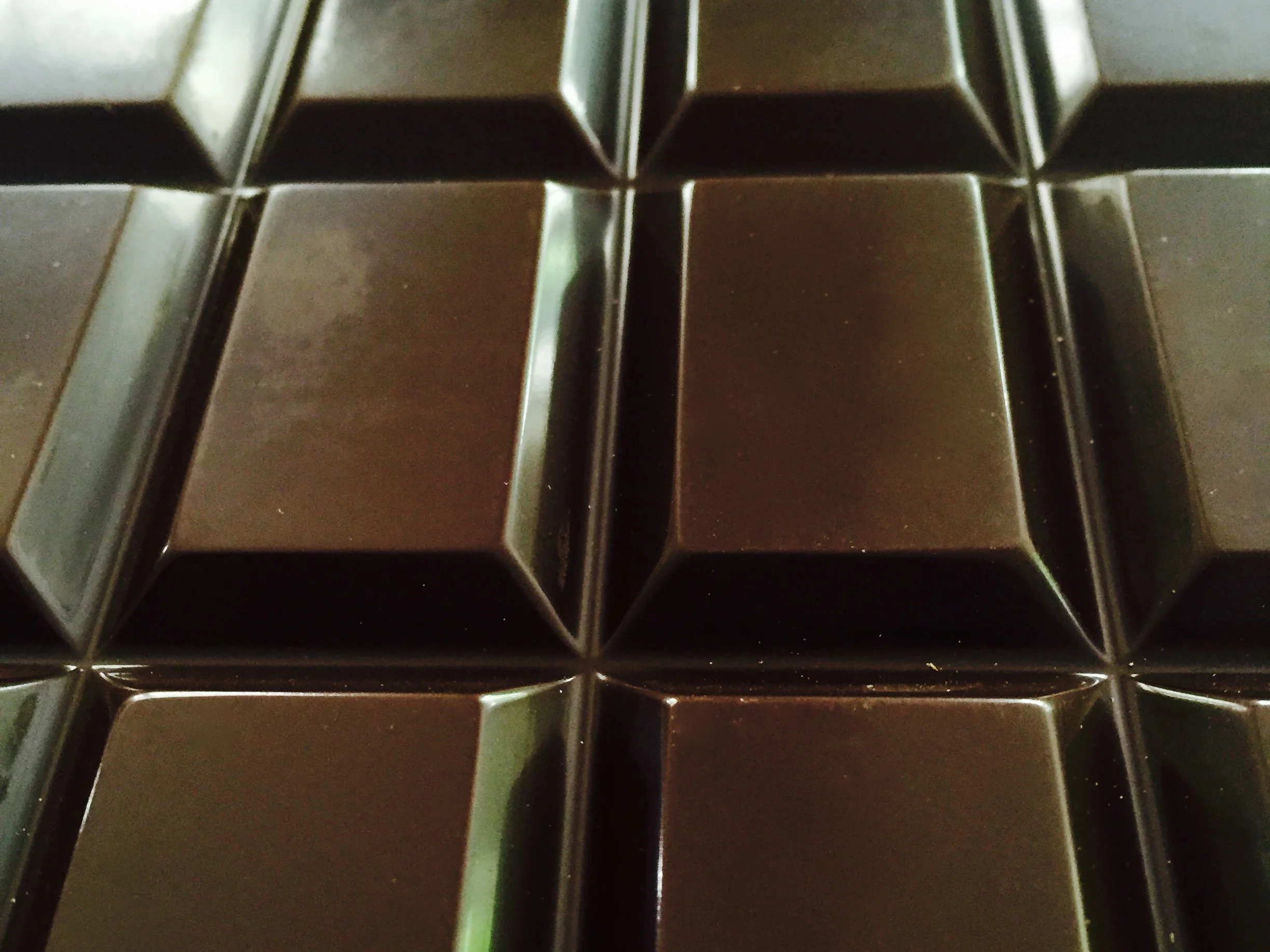
In so many celebrations, we are surrounded by divine chocolate treats. And divine is just the right word. The Latin name for the tree bearing heavenly cacao beans is theobroma cacao, which literally means “food (broma) of the gods (theo)”.
Chocolate is a widespread favourite flavour. So we found out a little more about its origins and how it’s produced. And we have an idea for using this fabulous food, which harks back to its centuries old heritage.
A long history
Some 4,000 years ago, the people of ancient Mesoamerica (present day Mexico) were civilisation’s first chocolate lovers. They grew cacao trees, drinking a chocolate brew believed to possess spiritual qualities. Chocolate was revered, saved for rulers, warriors, priests and nobles at sacred ceremonies.
For most of its long history, chocolate has been taken in liquid form rather than the chocolate bars we think of today. No-one would recognise the cold and bitter drink originally created, with its gruel-like consistency.
Centuries ago, Spanish conquistadors delivered cocoa beans back to Spain. The beans became the preserve of royal and aristocratic circles, finding their way, through royal European marriages, to other parts. A Spanish princess, engaged to a French king, presented chocolate as an engagement gift… and so its spread throughout the continent began.
Only in recent times have chocolate bars and all things chocolate become almost a diet staple. And nowadays, a large proportion of the world’s cocoa is grown in West Africa, on the Ivory Coast (the largest producer), Ghana, Nigeria and Cameroon.
How is chocolate made?
Chocolate is a mixture that includes cocoa, cocoa butter, sugar, and frequently flavourings and milk.
The process is involved. It starts with hand harvesting football-sized pods off cacao trees. The beans are taken from the pods, heated, fermented and dried.
From there, it’s a case of roasting (developing the colour and flavour of the beans), before cracking and winnowing to get out the nibs, leaving the shells behind.
Nibs are ground to get a liquor, as the high fat content in the nib melts. That liquor is mixed with cocoa butter and sugar, in conching (to evenly distribute the cocoa butter), and tempering (realigning the cocoa butter fat particles, like organising dancers into a conga line). Then it’s molded.
It is quite some process. So when you hear some chocolate makers referring to “bean to bar” chocolate, it means that they have started with the imported dried bean, and worked through this tricky process, to give you the luscious chocolate you’re eating.
Craft chocolate makers
Throughout New Zealand there is a wide and growing variety of craft chocolate makers. They are spread right throughout the country. Make sure to look out for them!
And this is also a good time to congratulate Wellington Chocolate Factory, makers of organic bean to bar chocolate, who took out the recent Cuisine 2016 Artisan Awards Supreme Award, with their Great War Bar.
And we eat a lot of it
We did pause for a moment to think about how much chocolate we eat downunder.
Chocolate consumption is now very much dominated by the western world. Apparently, 66% of chocolate is consumed between meals, and 22% of all chocolate eaten is between 8pm and midnight…
While very little might be eaten in the chocolate bar form, think for a moment of the cocoa in milkshakes, breakfast cereals, biscuits, cakes, icing and frosting, health bars and shakes, hot chocolate, chocolate milk…. and on it goes.
With that in mind, and with Easter nearly here with all the chocolate that entails, here is one chocolate idea that is a twist on this traditional sweet treat. The base taste of chocolate (without sugar) is inherently savoury, slightly bitter tasting. You can use just a bit of your chocolate as you would in a traditional Mexican molé. Click here for a savoury chocolate idea.
And, if savoury chocolate is too much to bear, and you do have chocolate idling around after Easter, how about creating your own personal favourite chocolate treat - click here for a sweet, quick and easy chocolate bark idea.