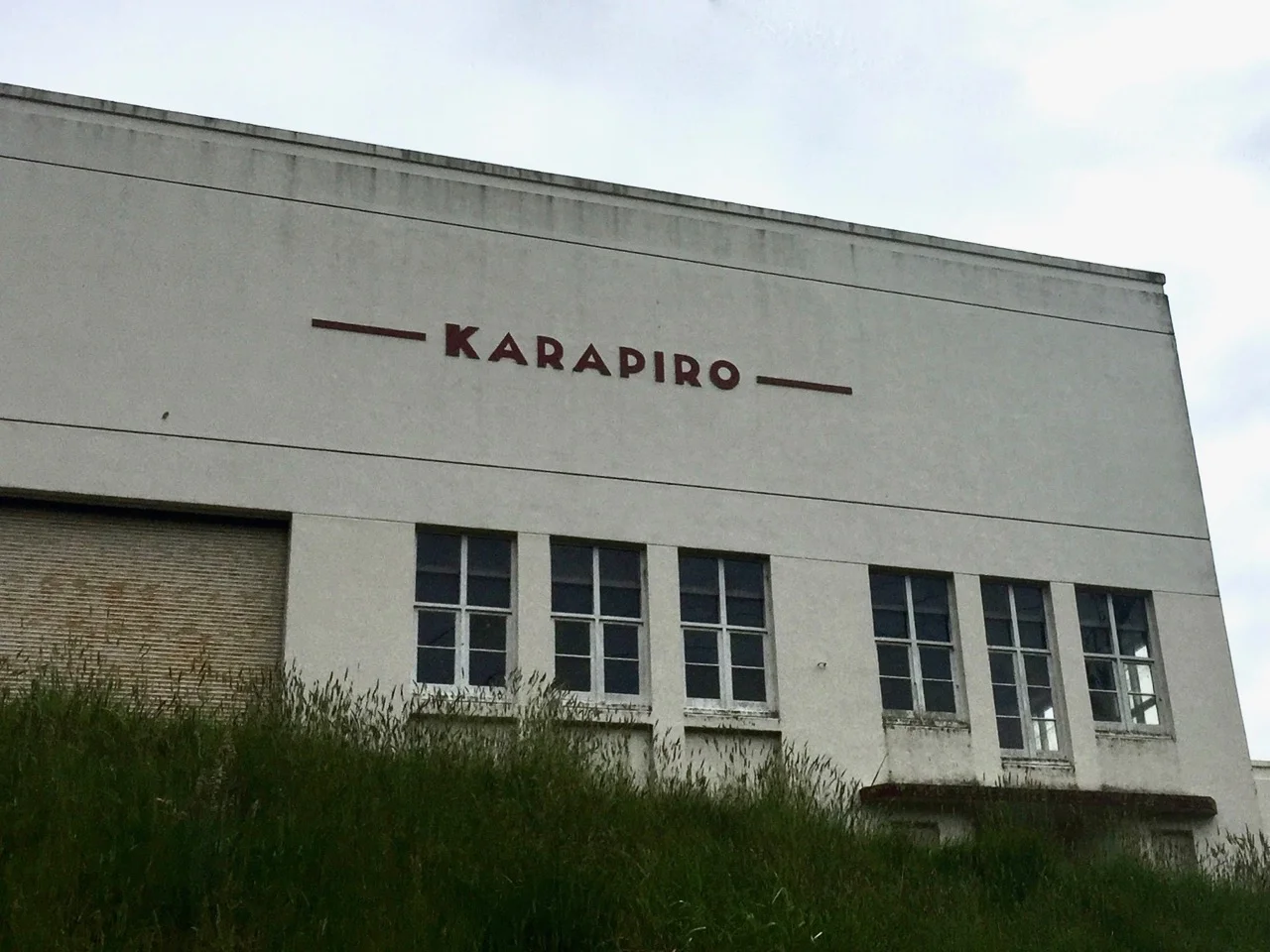
You’re sitting alongside the shores of a lake, one of New Zealand’s best rowing venues, looking up to the oars adorning the cafe walls or gazing out its big glass windows. Coffee is to the ready, brunch is on its way.
Water, and all we use it for
You’ve found yourself in a place of two clear purposes - power generation combined with recreation - totally symbiotic water founded experiences.
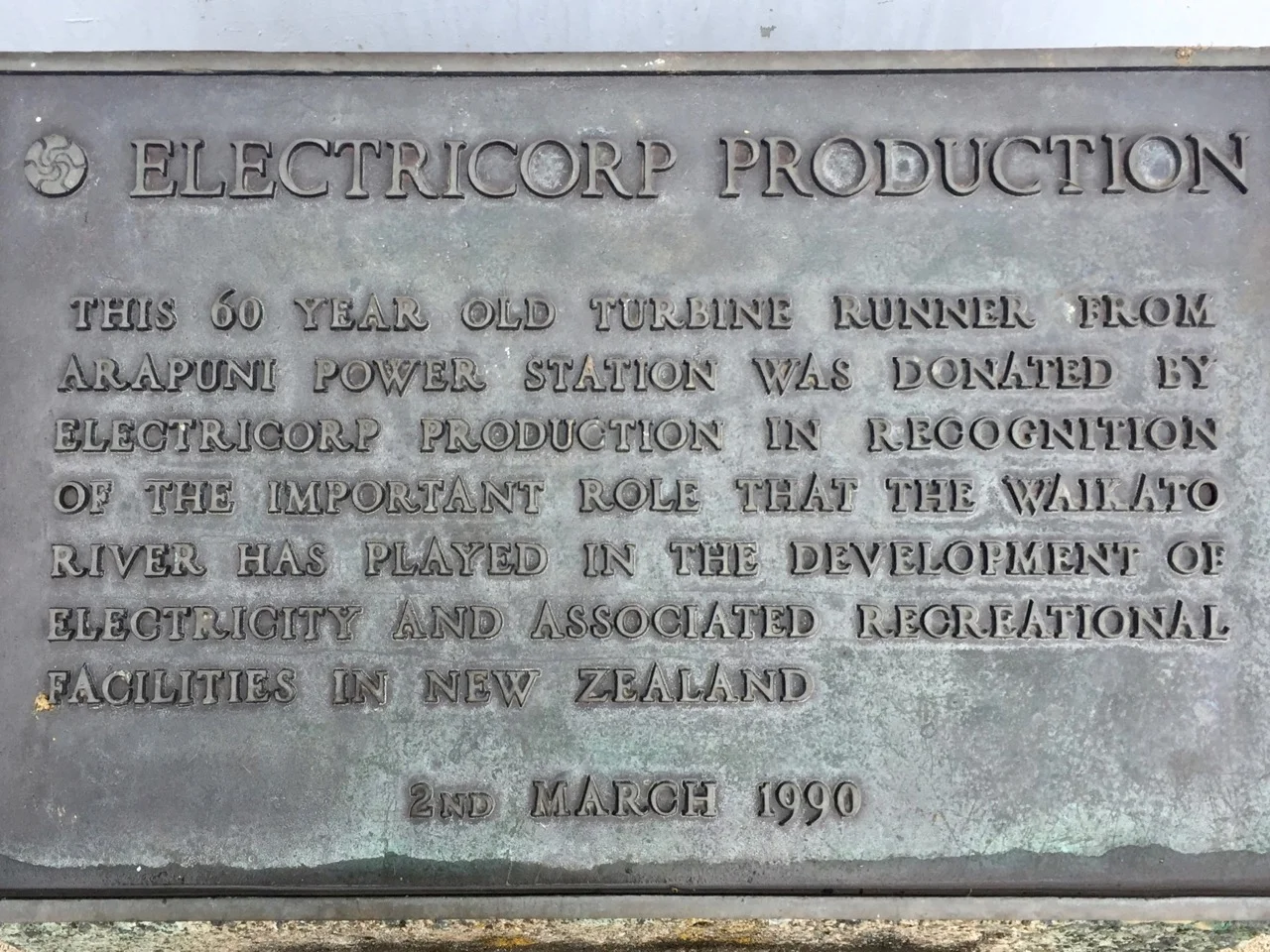
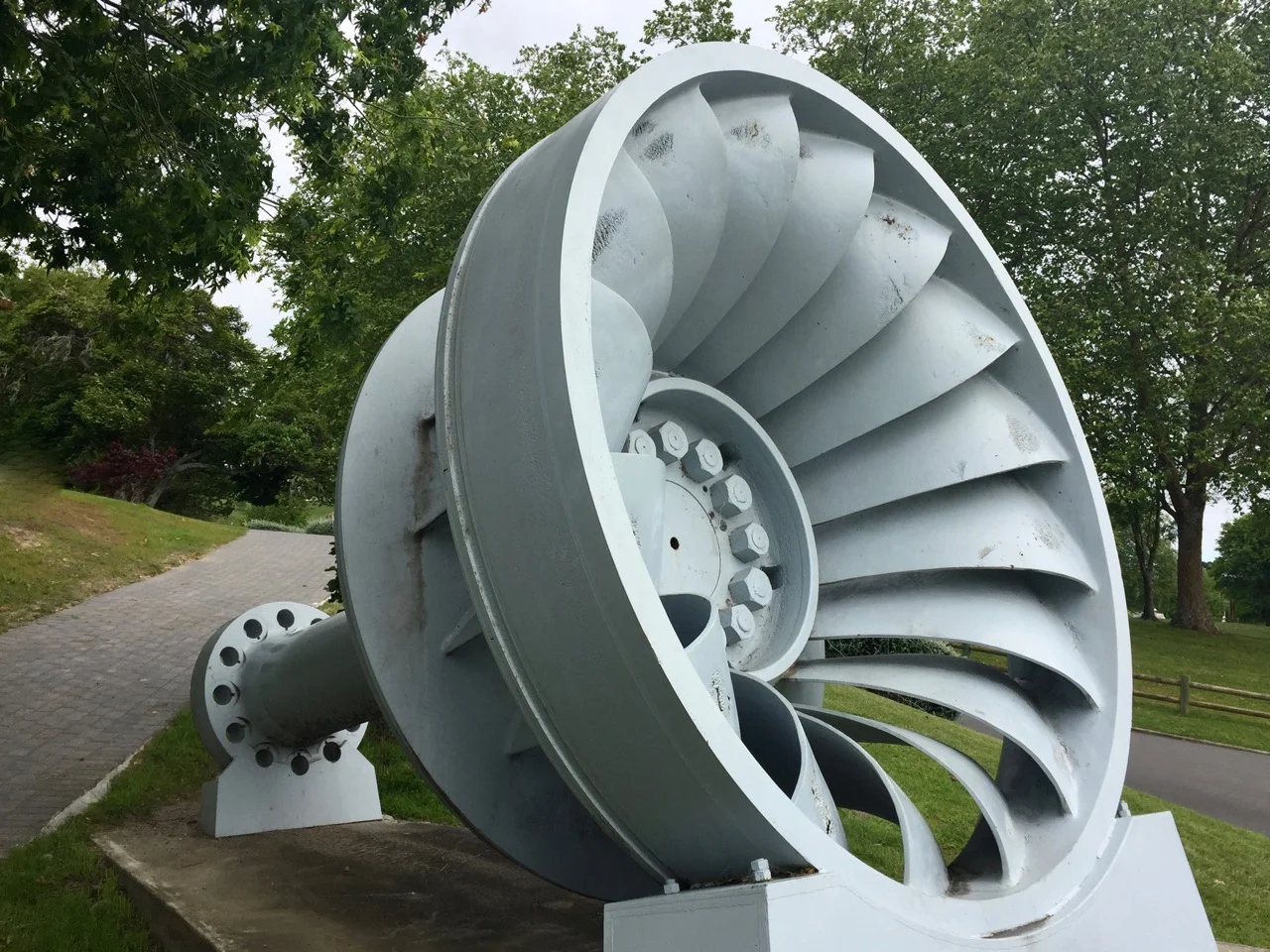
You have driven past the Karapiro Village, and over the imposing dam, a key ingredient to the area’s hydroelectric Kapapiro Power Station. And, in the reserve just outside the glass windows of the cafe, is a 60 year old turbine runner from Arapuni Power Station. Electricorp Production donated this impressive looking structure, which sits like a sculpture in the grounds, in recognition of the important role that the Waikato River has played in the development of electricity and associated recreational facilities in New Zealand.
So, too, there is the recreational piece. The striking cafe, with big glass windows to let in the views all around you, sits in the Mighty River Domain, a fabulous park reserve, which hosts all manner of sporting and cultural events, and there’s a campsite too.
Perhaps best known in New Zealand as a world class rowing venue, it’s also a perfect spot for a walk, cycle, or water sports, to go with a picnic or something tasty from that cafe, if that’s how your travels roll. Or, quite possibly, a chance to sit back and relax and see some of those outstanding rowers in action.
And how it came to be
Ponder this over your meal. The man-made lake was first created around 70 years ago, finished shortly after World War II, in response to power shortages during the war. It remains a key component in New Zealand’s national power supply, which is principally hydro-powered.
The river which it dams, the mighty Waikato, runs from Lake Taupō to Port Waikato, and is New Zealand’s longest river. It has a natural drop of 300 metres from start to finish, and there are a bunch of hydro power stations that are situated along its course, Karapiro being one of them.
In the sunshine and serenity of the park-like surrounds, looking out to the grand silvery lake, enjoying some wonderful food, you might miss the significance of this place’s name. Karapiro references an important Māori site, where tensions arose between two tribes, resulting in a famous battle. The bodies of dead warriors were cremated on rocks alongside the river, and so there’s the name. Kara, rock; piro, foul smell.
The dam now floods this special site, along with the village of Horahora and the original smaller Horahora hydro power station. It was undoubtedly a surreal experience for the people of the area to watch quietly one week, all those decades ago, and witness the waters creeping upwards slowly overtaking the area, and the power station and surrounding cottages and homes gradually disappearing…
And now, your water
Now back to the 21st century, and your picnic. With water the clear thread of this piece, our idea, of course, must continue the theme. Click here for a Karapiro-inspired picnic water idea, a simple way of jazzing up your drink bottle with some of the best New Zealand has to offer. And enjoy your meandering around this beautiful and interesting region, remembering a little of what has passed before.
And for more…
For more on what to find and enjoy on Waikato travels, explore food treasures on our North Island Food Travel Guide app - click here. You’ll find delightful coffee stops and eateries, picnic spots, artisan food producers, farmers’ markets, specialty grocers, and a whole lot more.