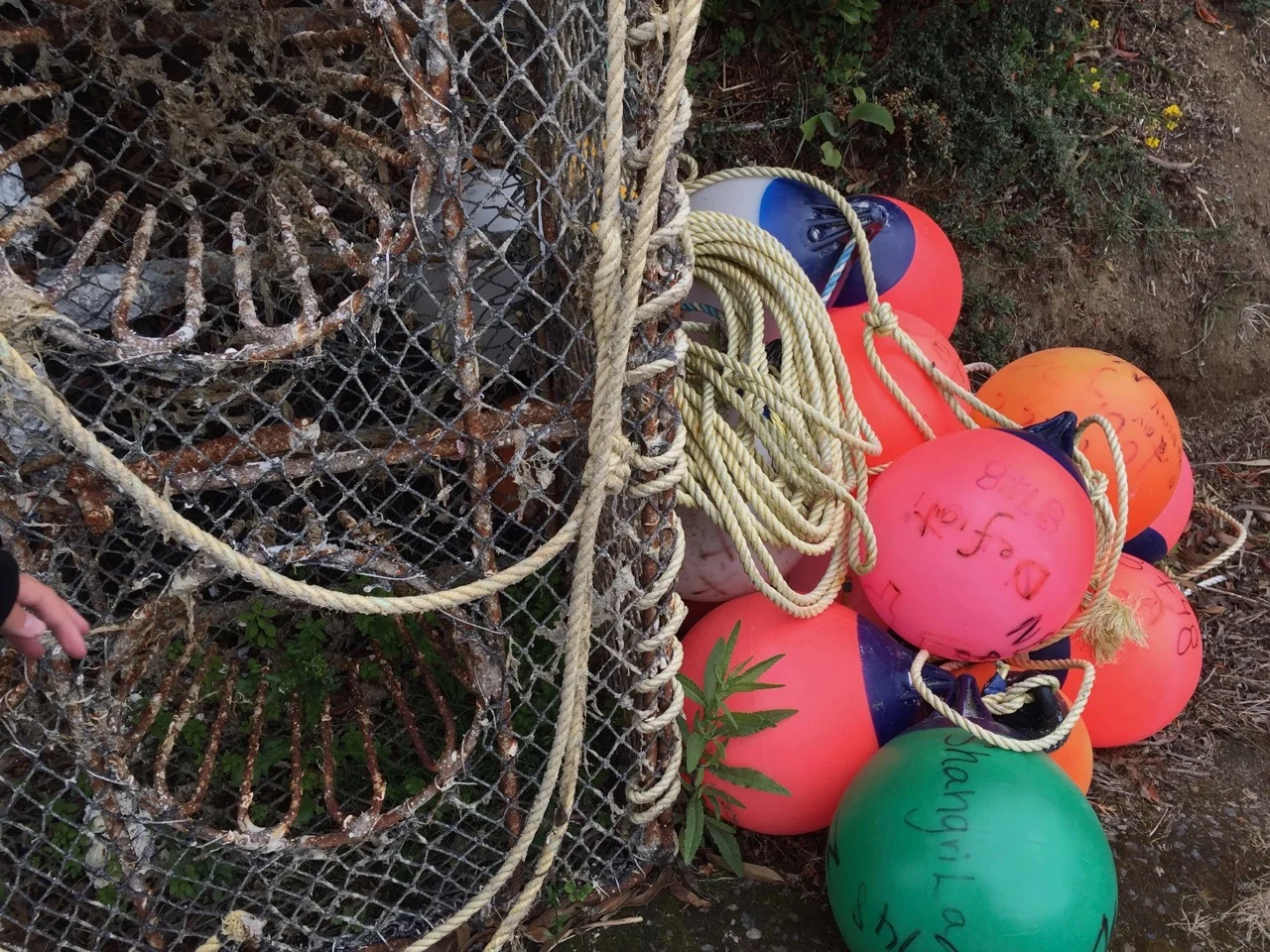
New Zealand’s North and South Islands are the largest islands around here, but there’s a third in size, and that’s Stewart Island/Rakiura. It’s an island of delicious food treasures, thanks to the surrounding oceans - think crayfish, salmon, oysters, cod and muttonbird. And there’s quite a story to learn about the muttonbird, or tītī, also called the sooty shearwater….
By air or by sea
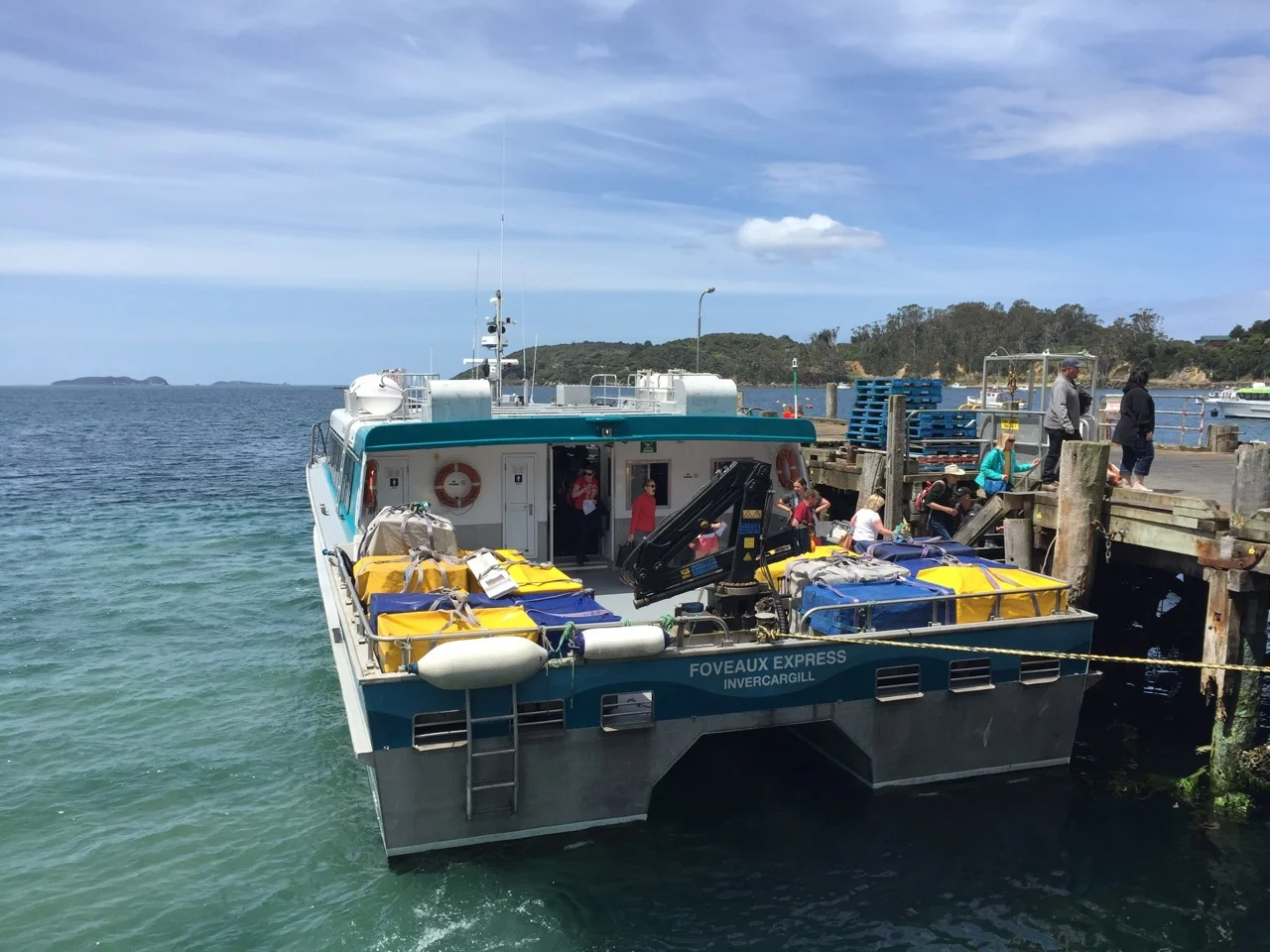
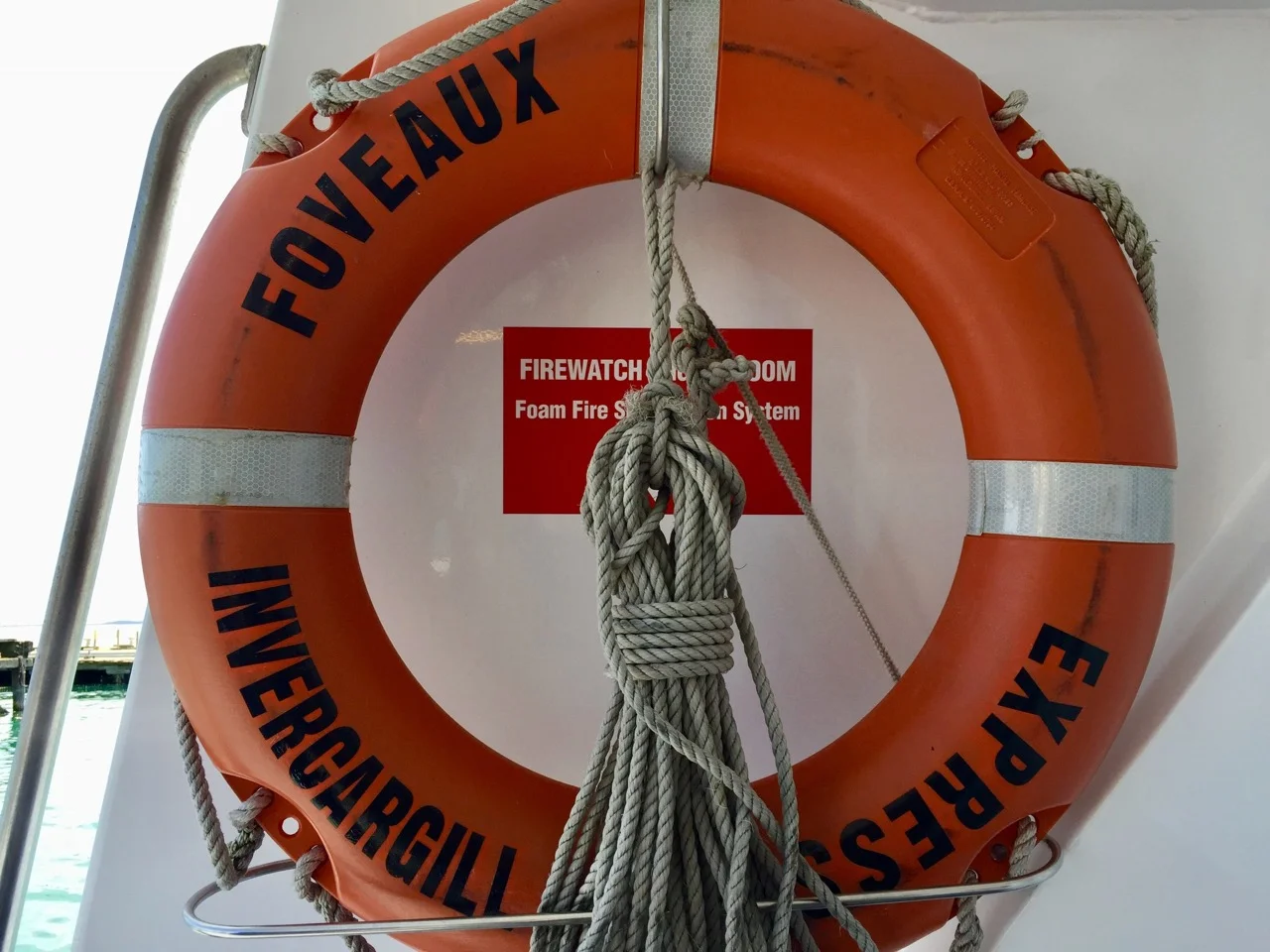
There’s a choice on how to get there, across the Foveaux Strait off the South Island. Take a little plane from Invercargill, or take a bigger boat - actually catamaran - from Bluff, across a notorious stretch of water. The strait can be troublesome, it’s where the Tasman meets the Pacific meets the Great Southern Ocean….no wonder it’s notorious. But sometimes, thank goodness, it can be surprisingly calm.
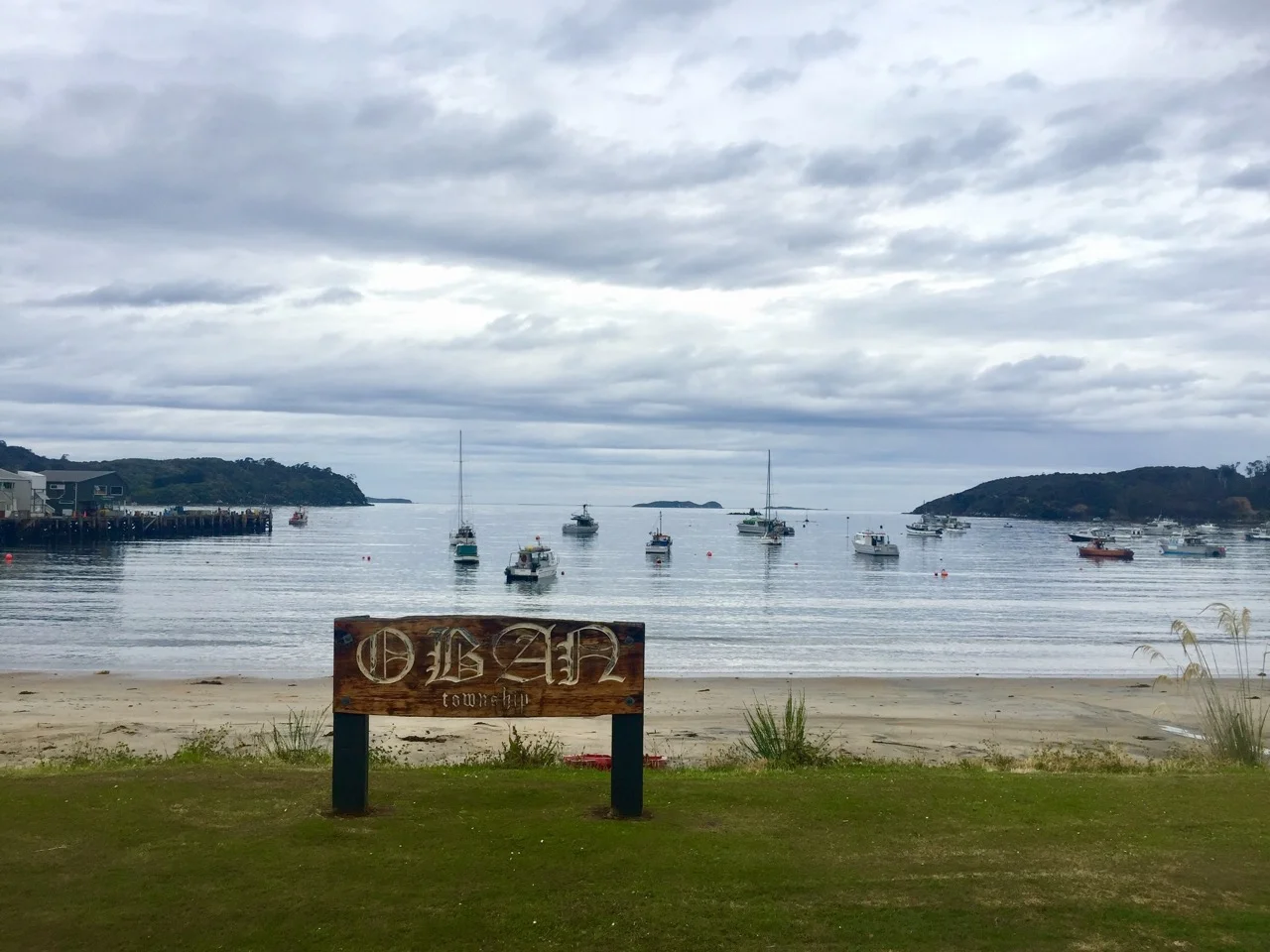
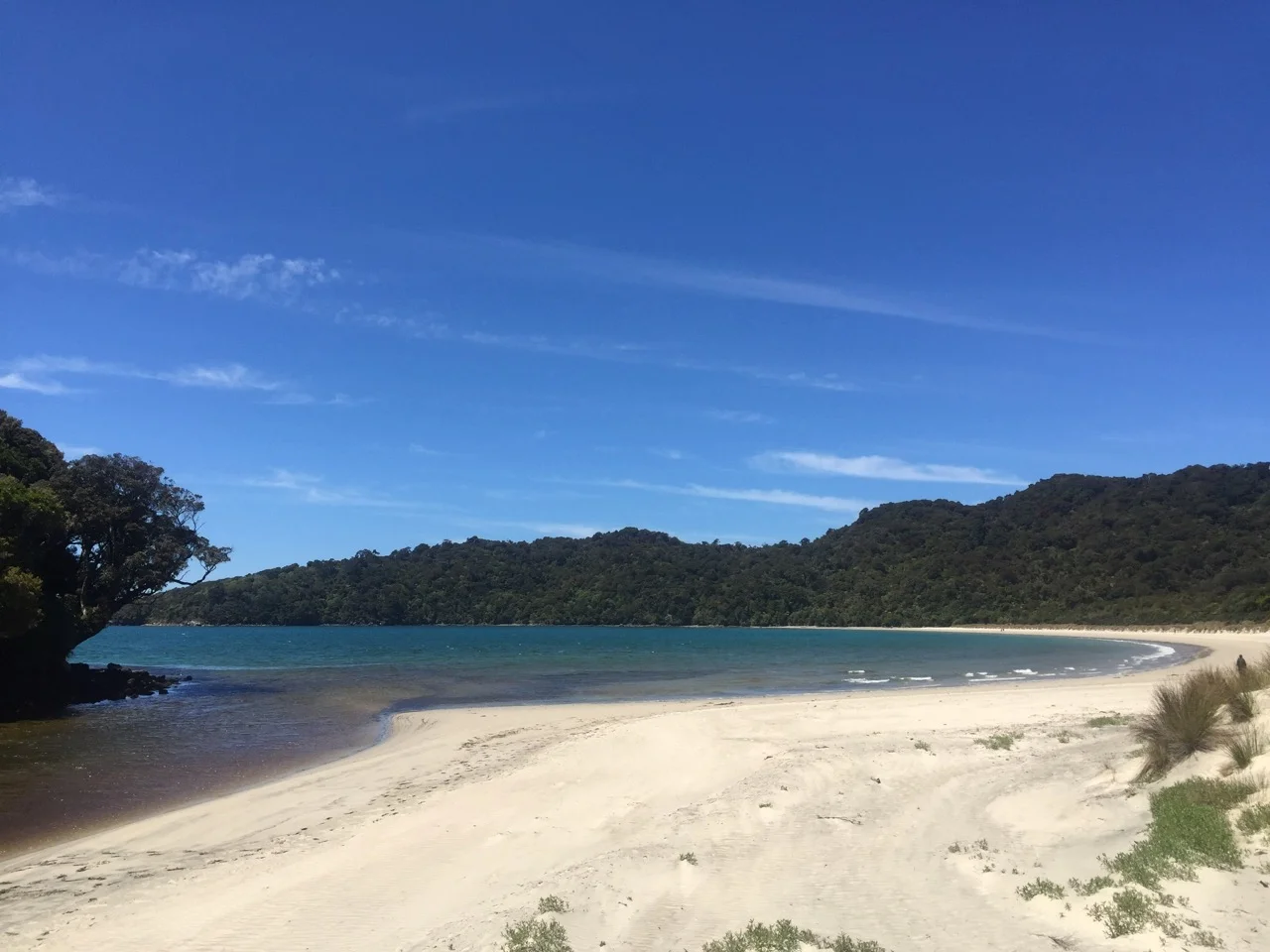
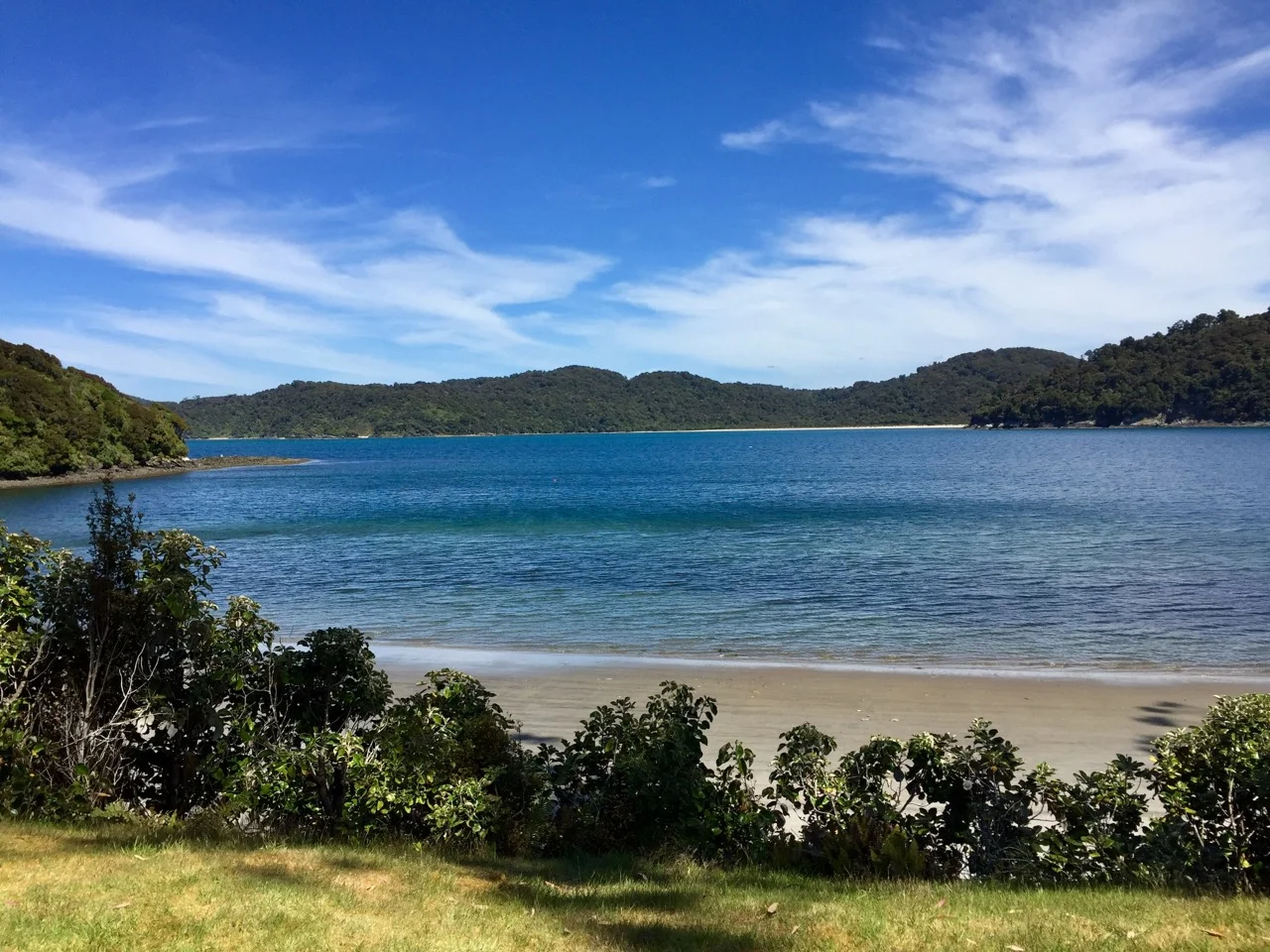
When you arrive, however you arrive, you’re on an island - almost all of which is owned by the New Zealand government (and a big part is set aside as Rakiura National Park, the country's newest national park). It’s a huge space, with less than 400 permanent residents, and most of them are in the only town, Oban on Halfmoon Bay.
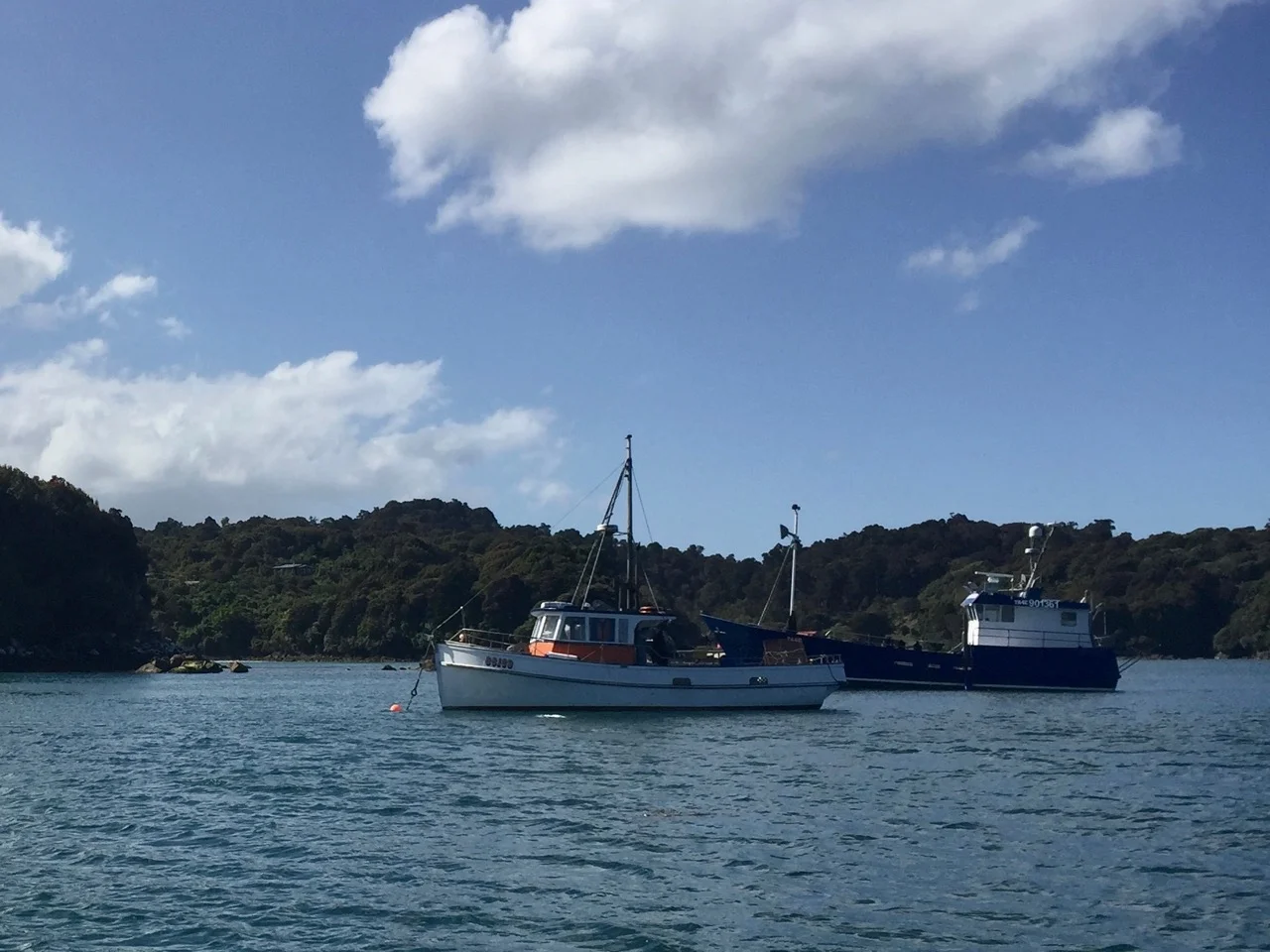
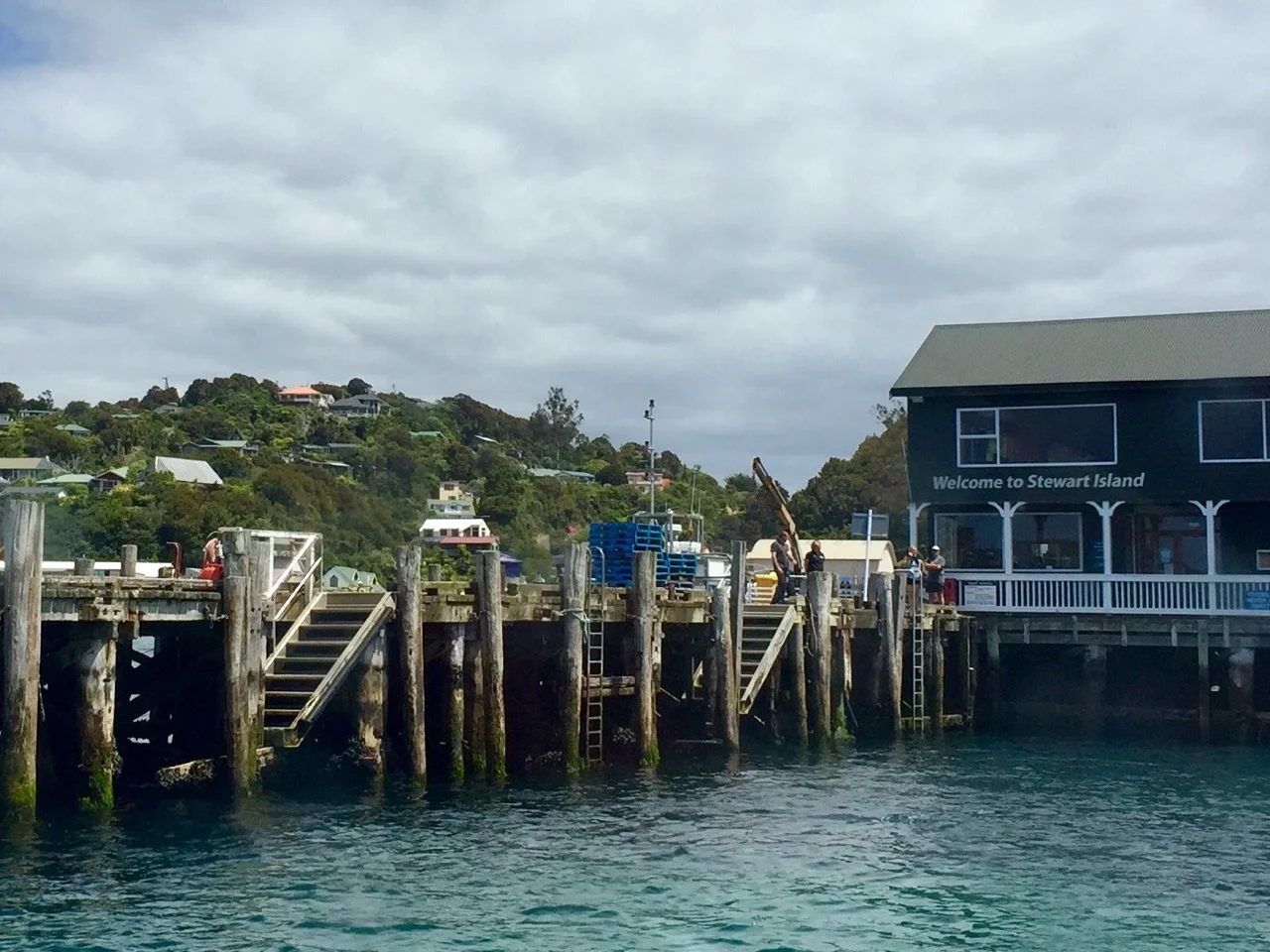
A Māori tradition…
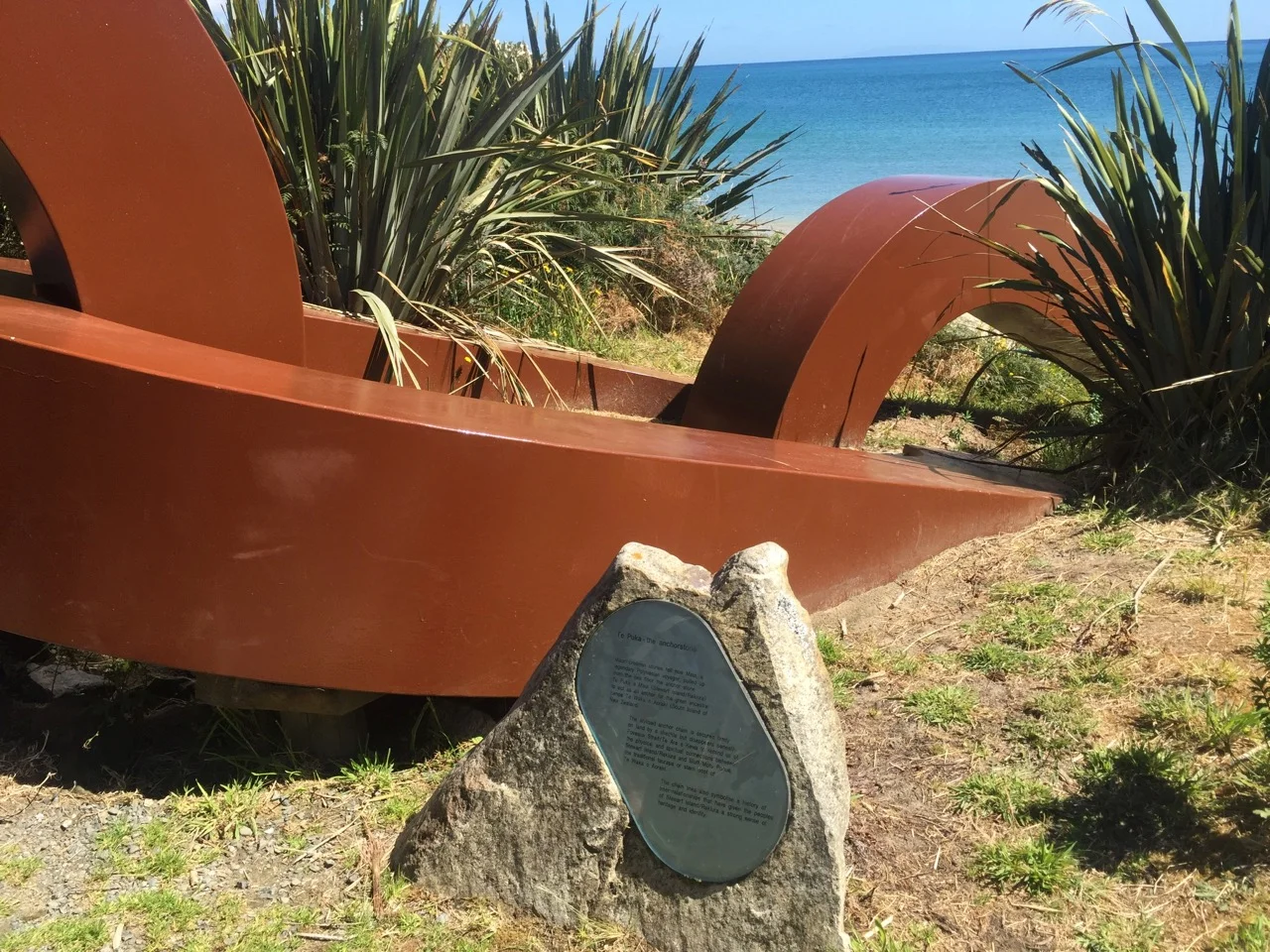
The original Māori name for the island, Te Punga o Te Waka a Maui, points to Māori mythology. Translated as the anchor stone of Maui’s canoe - the anchor (Stewart Island/Rakiura) in the legend of Maui and his crew who, from their canoe (the South Island), caught and pulled up the great fish (the North Island).
Rakiura is the more common Māori name. It’s usually translated as glowing skies, perhaps referring to the island’s famous glowing sunrises and sunsets - or to the aurora australis, the southern lights phenomenon of southern latitudes. (For most of the 20th century, Stewart Island was the official name. But the name was officially changed to Stewart Island/Rakiura, about 20 years ago, by the Ngāi Tahu treaty settlement.)
And the Pākehā name
So who was Stewart, you ask.
Captain James Cook and crew were the first Europeans to actually sight the island, back in 1770. But Cook thought it was part of the South Island, and named it South Cape.
The island’s English name honours William Stewart, first officer on the ship Pegasus, visiting from Port Jackson (now Sydney), in 1809 on a sealing expedition. Stewart determined the northern points of the island, proving that it was an island, and made three further visits.
So that was sealing. And there’s been saw-milling. Fishing has been the most important part of the local economy, and it’s still important, with farming and forestry. But tourism’s become the main income for islanders. And travellers come to walk, find wildlife, fish, and sample delicious food.
Yes, the food, the food…
That food. It’s a seafood lover’s dream. A south sea hotel and a kai kart can help. We have crayfish tails. Follow the kiwi footprints to find the smoked salmon. And don’t forget the oysters out there, when the time is right.
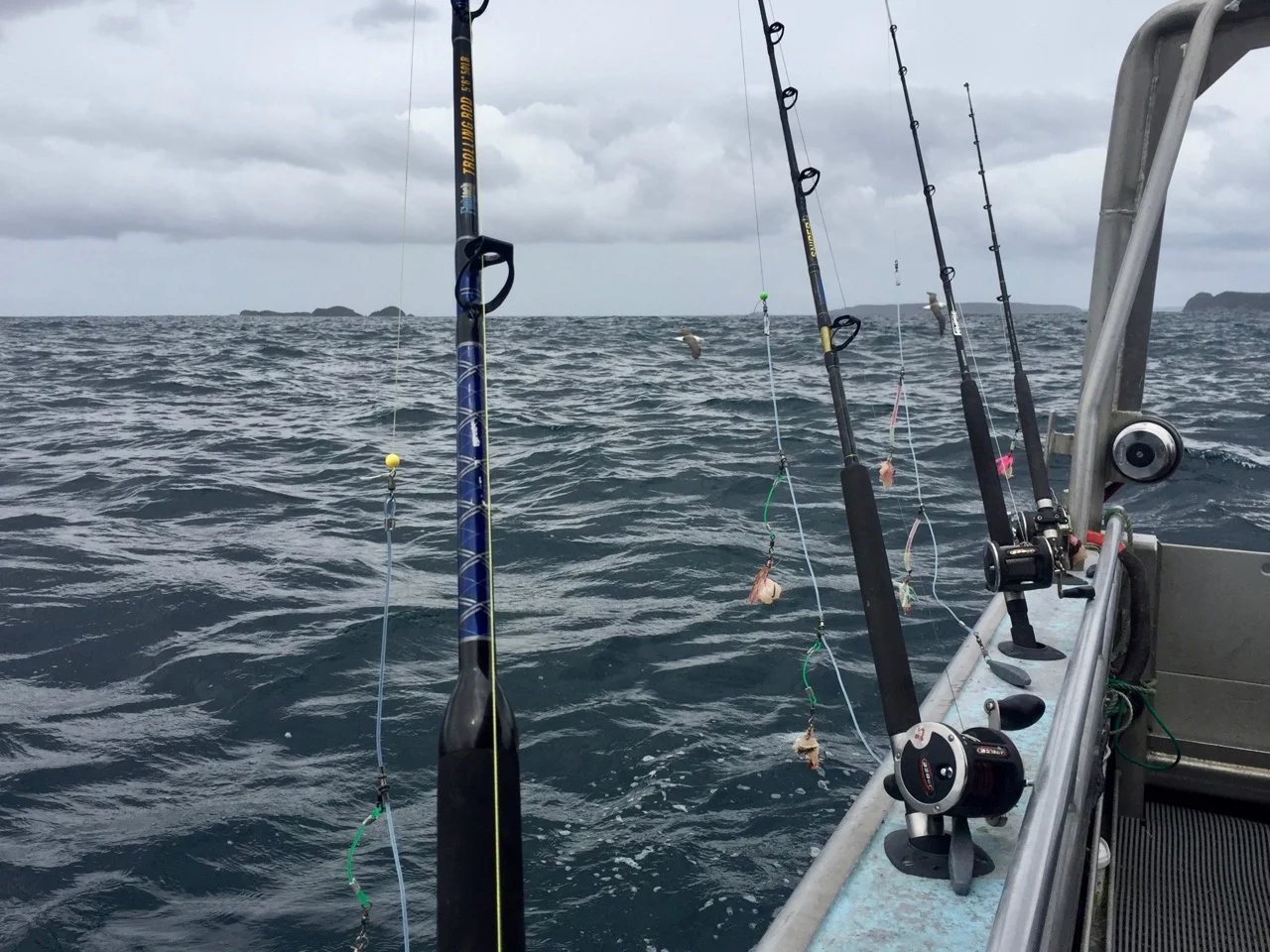
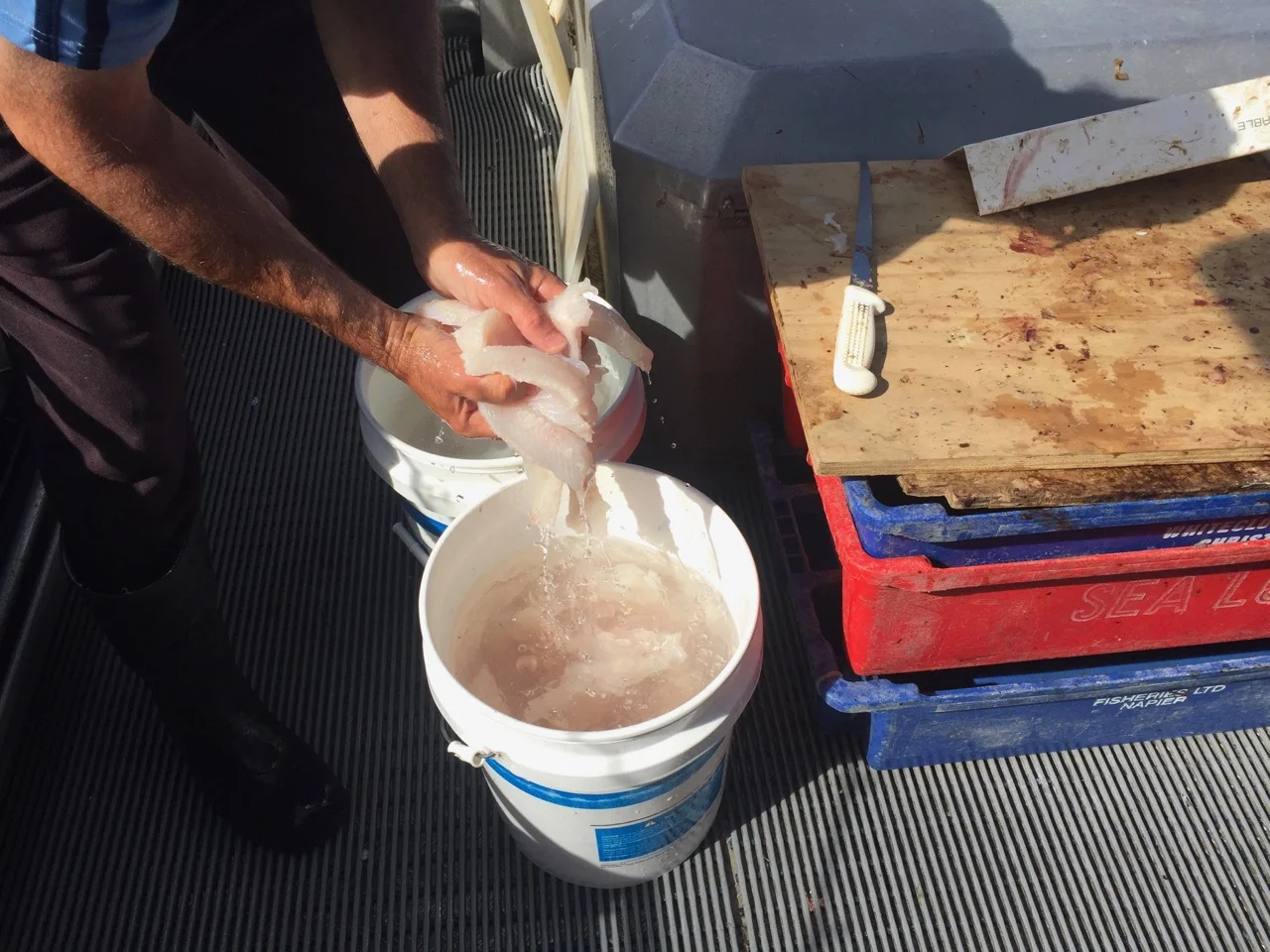
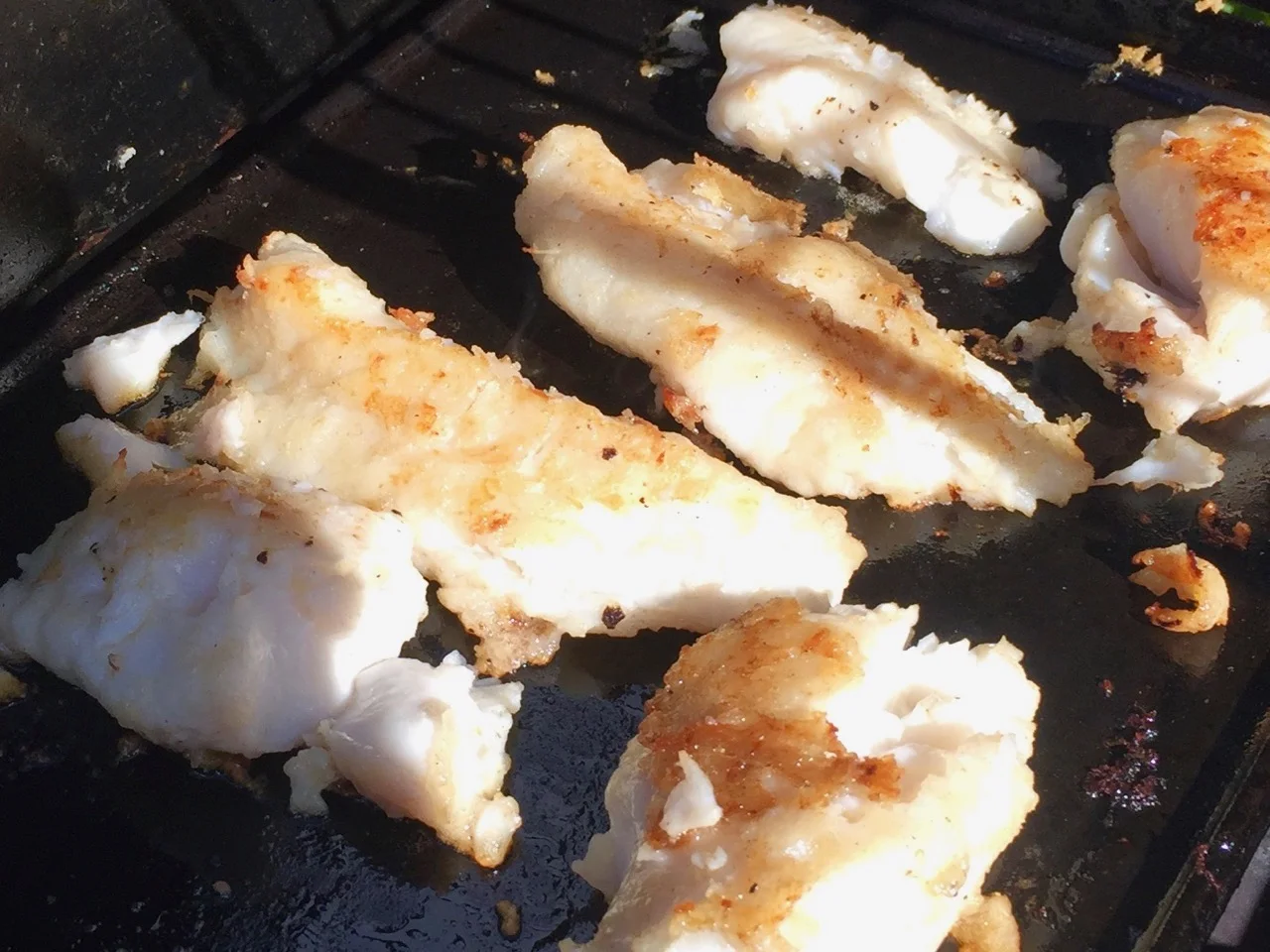
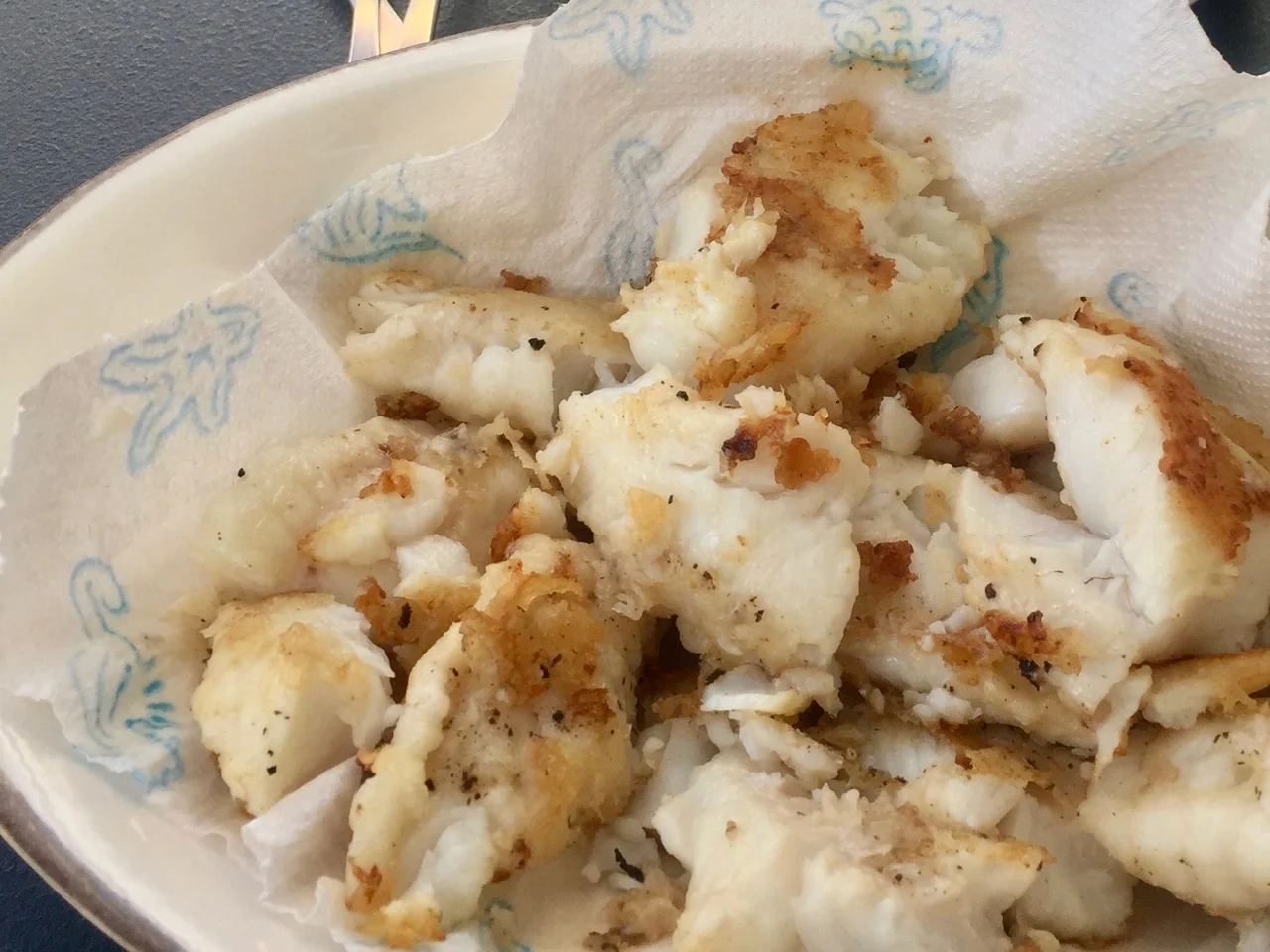
Of course there’s blue cod that jumps on to your line, two at a time. The best idea is to eat it without delay, lightly flour the fish fillets, and barbecue straight away - fresh from the sea.
And that birdlife, a special tītī
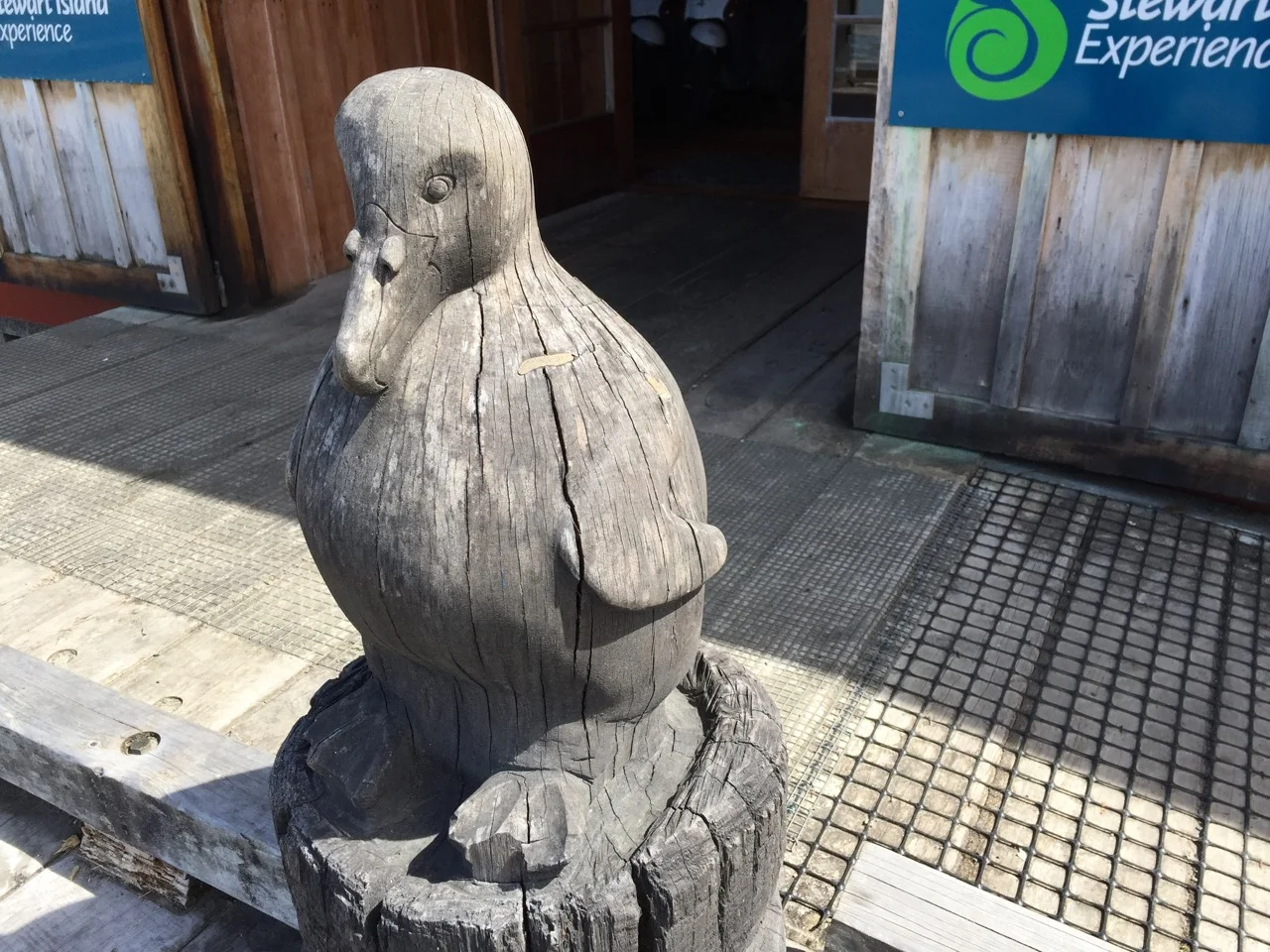
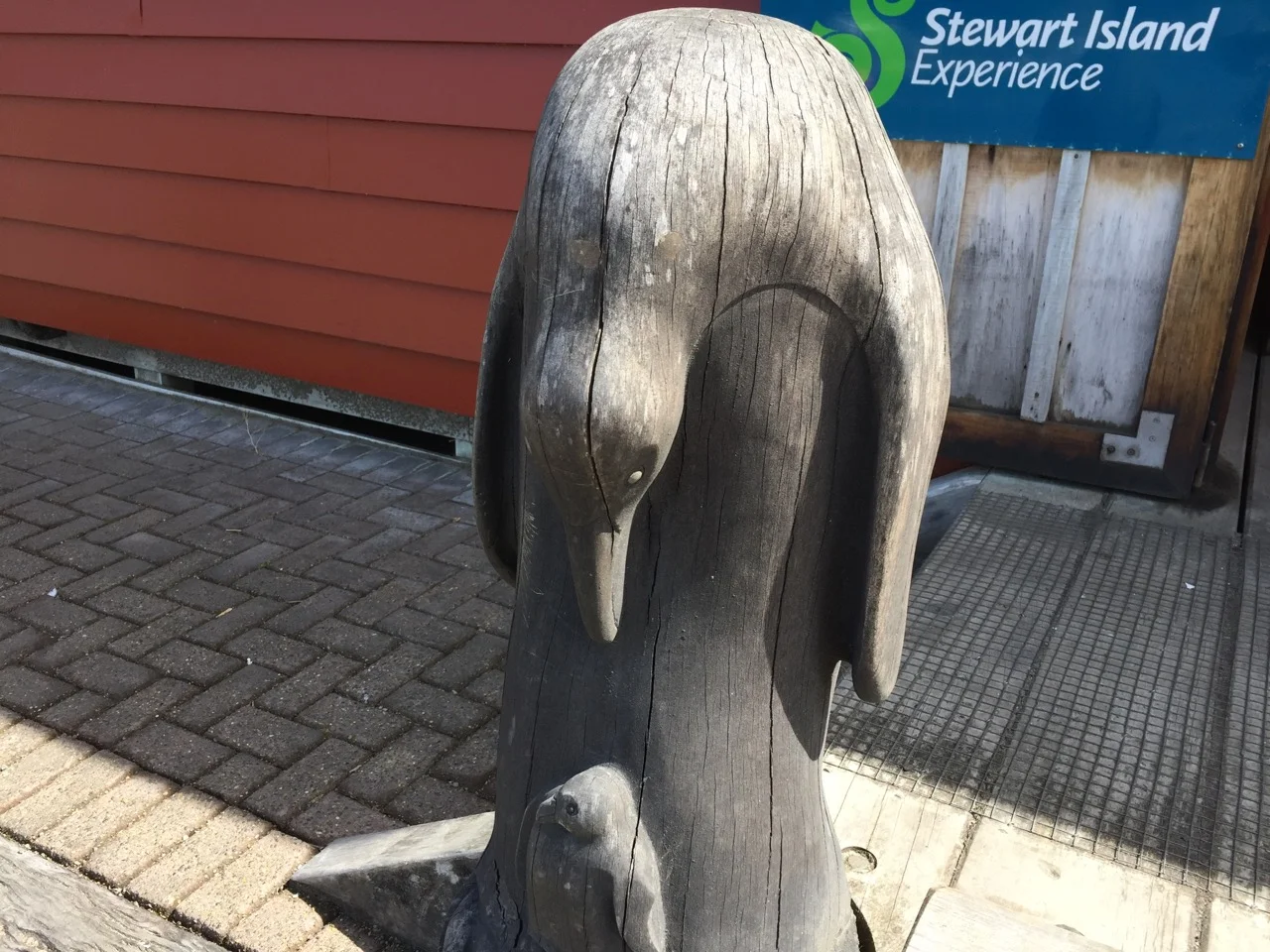
The birds are abundant, think weka, kākā, albatross, kiwi, silvereyes, fantails, yellow-eyed penguins, and kererū - and large colonies of sooty shearwaters, on the offshore Tītī/Muttonbird Islands.
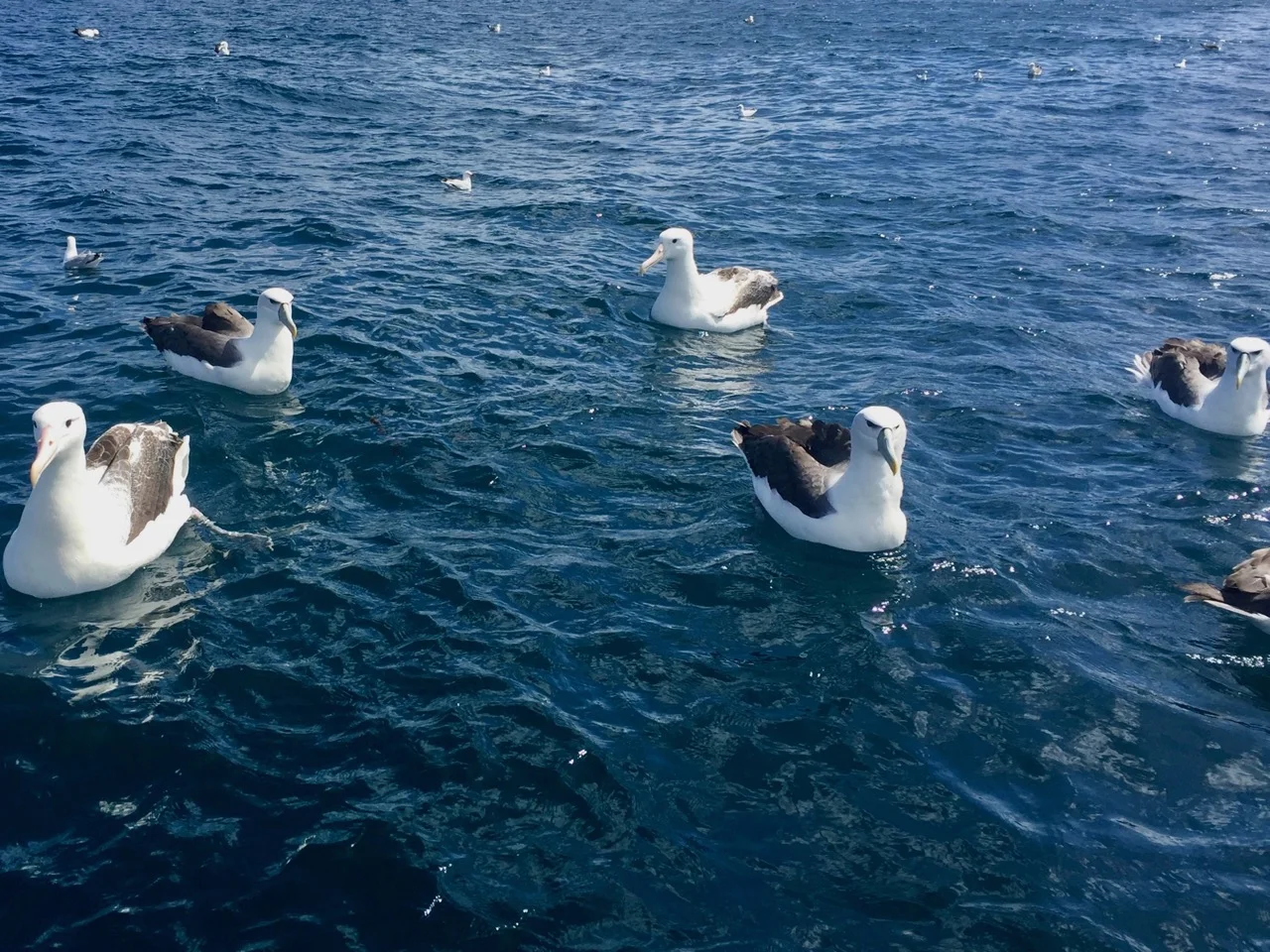
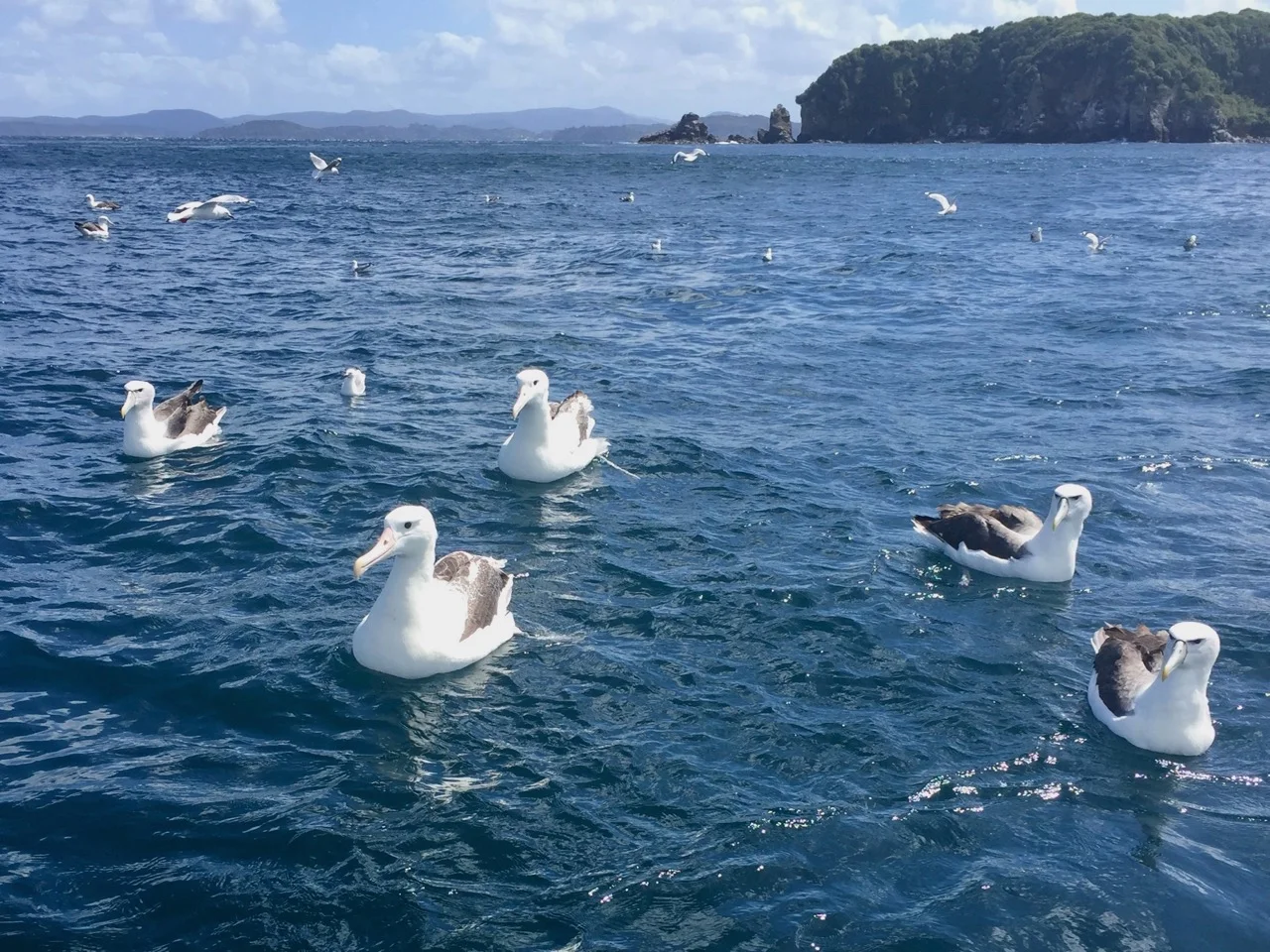
There are tremendous tītī stories. In breeding season, they come ashore after sunset, and fly straight in and crash through the vegetation to land near their burrow. After breeding, the birds migrate to the north Pacific Ocean, where apparently each bird stops over in one of three discrete regions off Japan, Alaska or California. Quite the journey. We’re glad they return. We hope to, too.
A fishy idea
In case you haven’t guessed, there’s a bounty of seafood in this part of the world. For thoughts on what to do with these food treasures, click here for fish and shellfish ideas. Or just barbecue as above. Delicious.
And for more…
We’re looking forward to more South Island (and south of the South) travels in 2018. But, for now, and for more on what to find and enjoy on North Island travels, explore food treasures on our North Island Food Travel Guide app - click here. You’ll find all delightful coffee stops and eateries, artisan producers, and a whole lot more.