
On the road, in the Waikato, the river high nearby and the sign says it all - fresh pūhā. Time to stop, collect this New Zealand legend and take it home for a boil up, or something similar. But what is pūhā, and how to cook it?
Pūhā, or rauriki, is a green vegetable, historically found in New Zealand but it's not native. It’s a staple green of traditional Māori cuisine, and still eaten today.
There’s the familiar notion of a boil up. That’s the stew, sitting pūhā on top of roast beef, mutton bird or, more likely, pork bones, minutes before the end of cooking. Pork and pūhā….But there’s more to do with it too.
A prickly green
The “smooth” leaved pūhā (sonchus oleraceus) is the most popular for eating. But the slightly bitter and “prickly” leaved pūhā (sonchus asper) is also eaten. And prickly’s the word. With good reason. There’s the reason pūhā is also known as sow thistle.
No surprise, it’s a green, but be assured that pūhā is full of goodness. We’re told it’s got the same levels of vitamin C as oranges. And it’s known for its medicinal qualities too, used traditionally to heal boils, prevent poisoning, purify blood and treat stomach upsets.
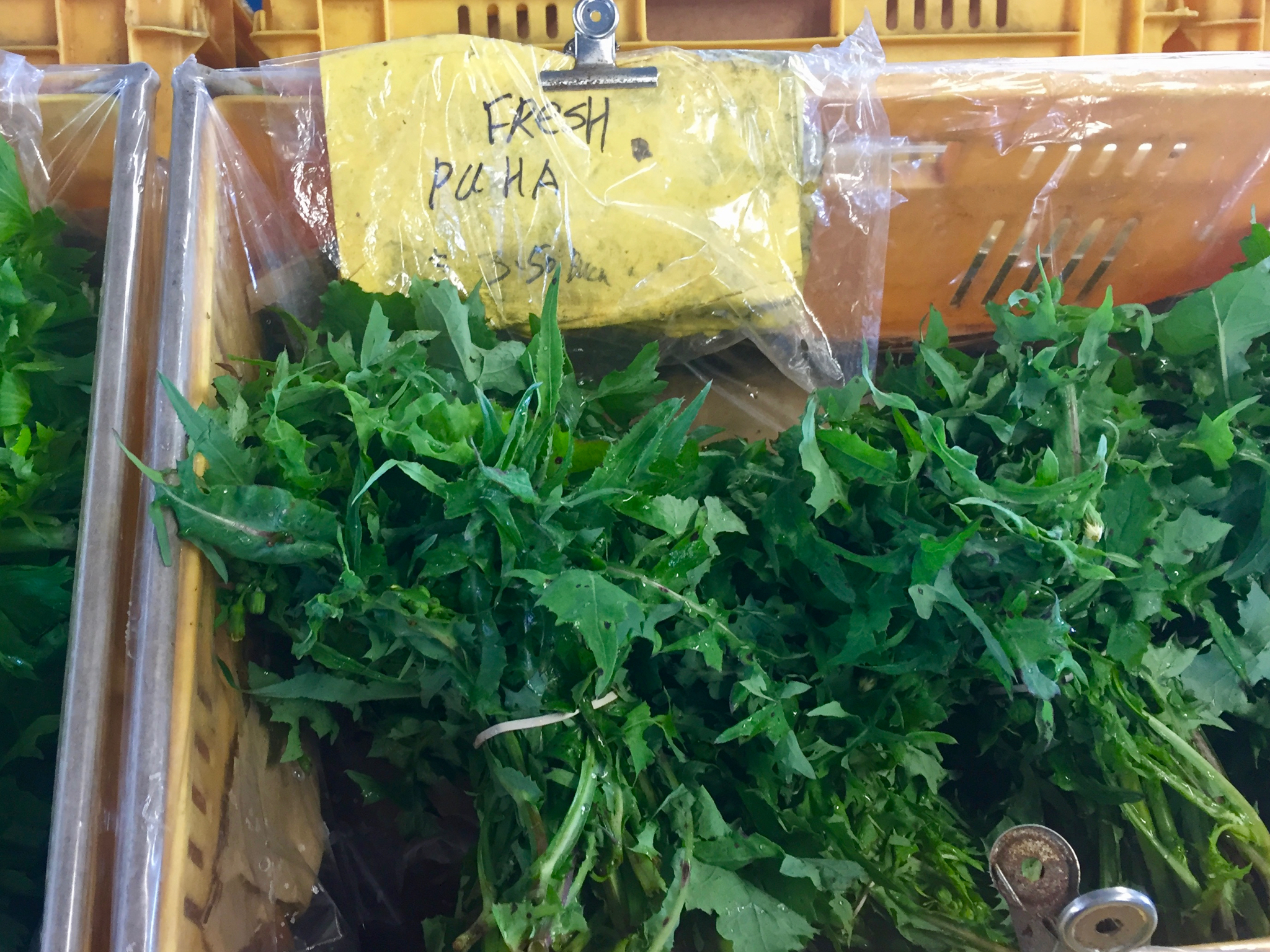
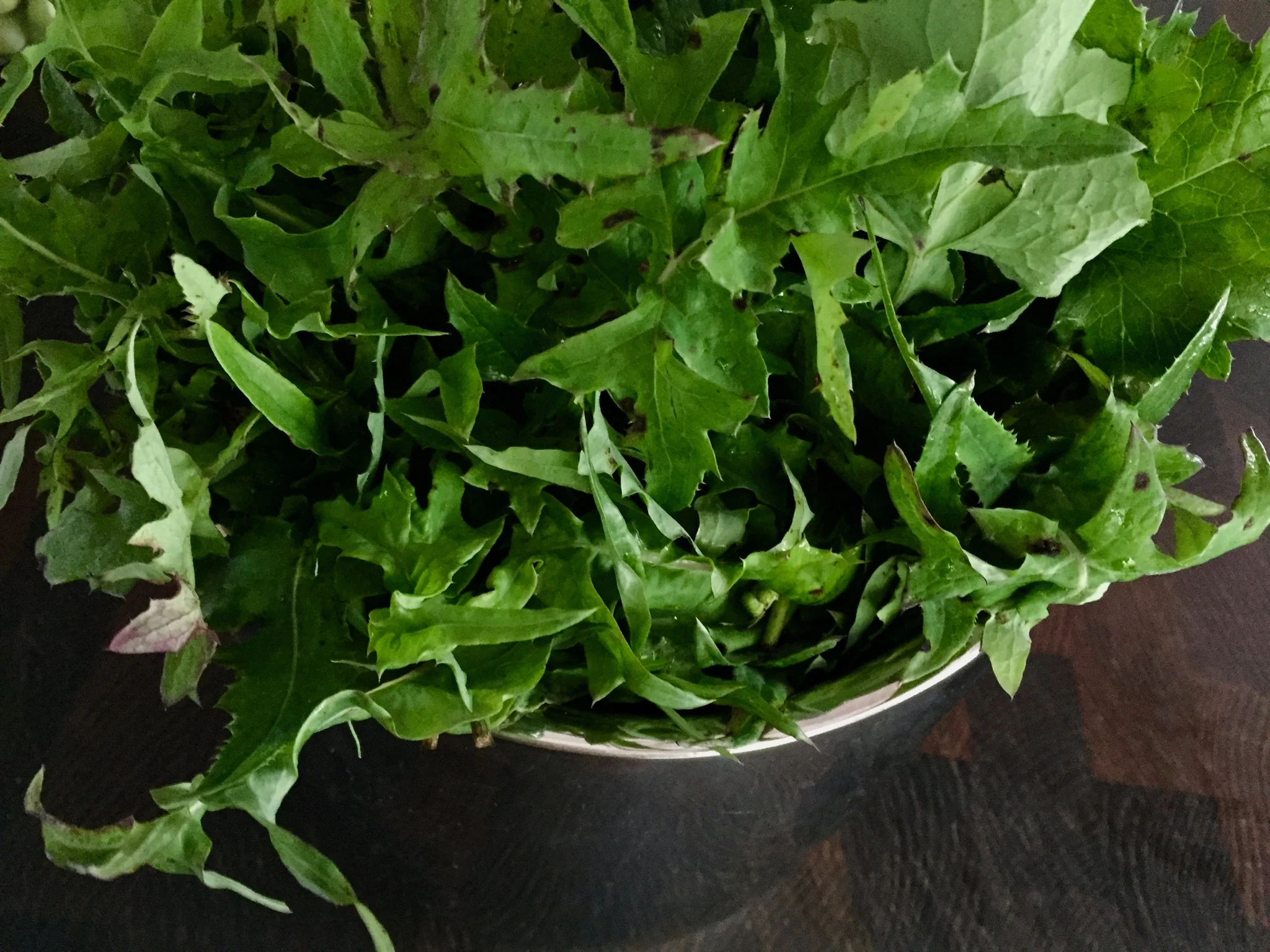
It’s found growing wild, and grows all year round. If you know what you’re looking for, you’ll see it growing everywhere, even by the side of the road. We’re told it’s not grown commercially, but is sometimes available for sale, often at farmers' markets. There’s definitely good demand for it in some areas. And so, our Waikato stop.
And what to do
The green makes you want to try it as salad. And the leaves and shoots can be eaten raw, with a bitter taste. Worth a try, just to taste that. But the texture encourages steam or stir fry, just like spinach. How about with spinach?
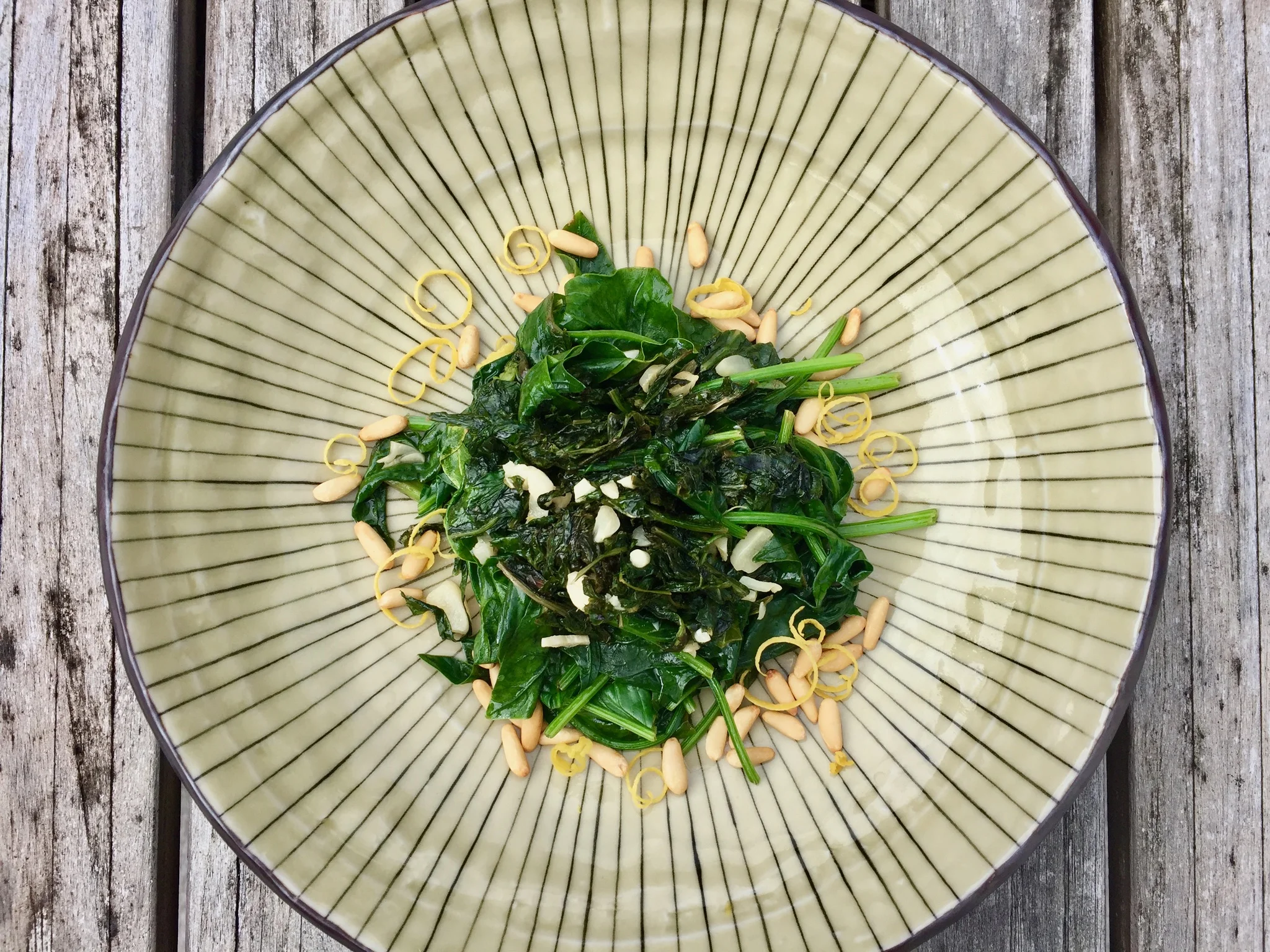
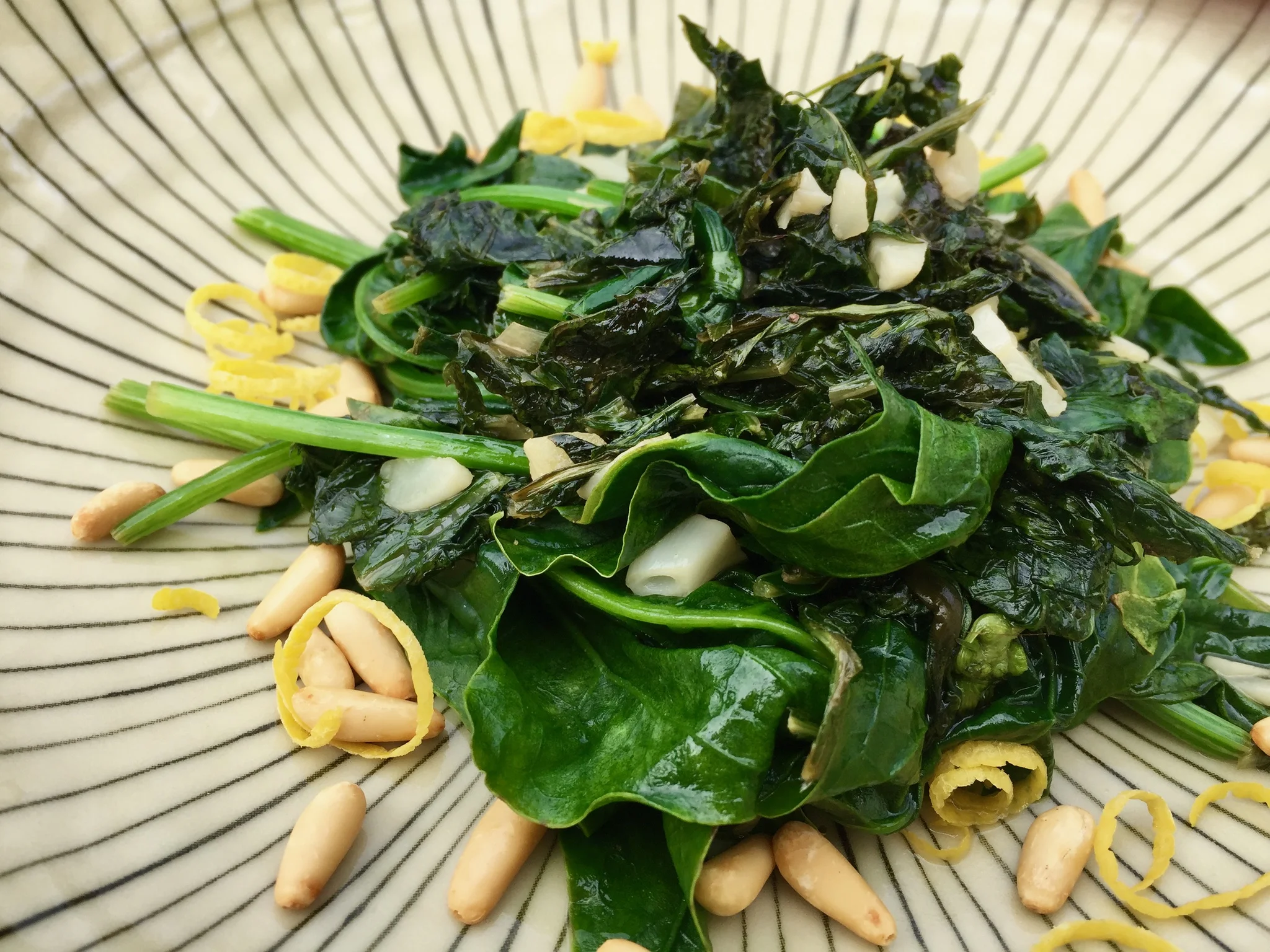
Try some stir fried with garlic, and that baby spinach, with toasted pine nuts, lemon juice and zest. That’s what came of the Waikato pūhā. Tremendous.
One last word - it’s not watercress.
Pūhā’s often confused with watercress, often found growing wild in streams and ditches, with dark green leaves on long stalks, and a peppery taste. Pūhā might be called Maori watercress, but they’re members of two different families. And they’re both still excellent with pork….