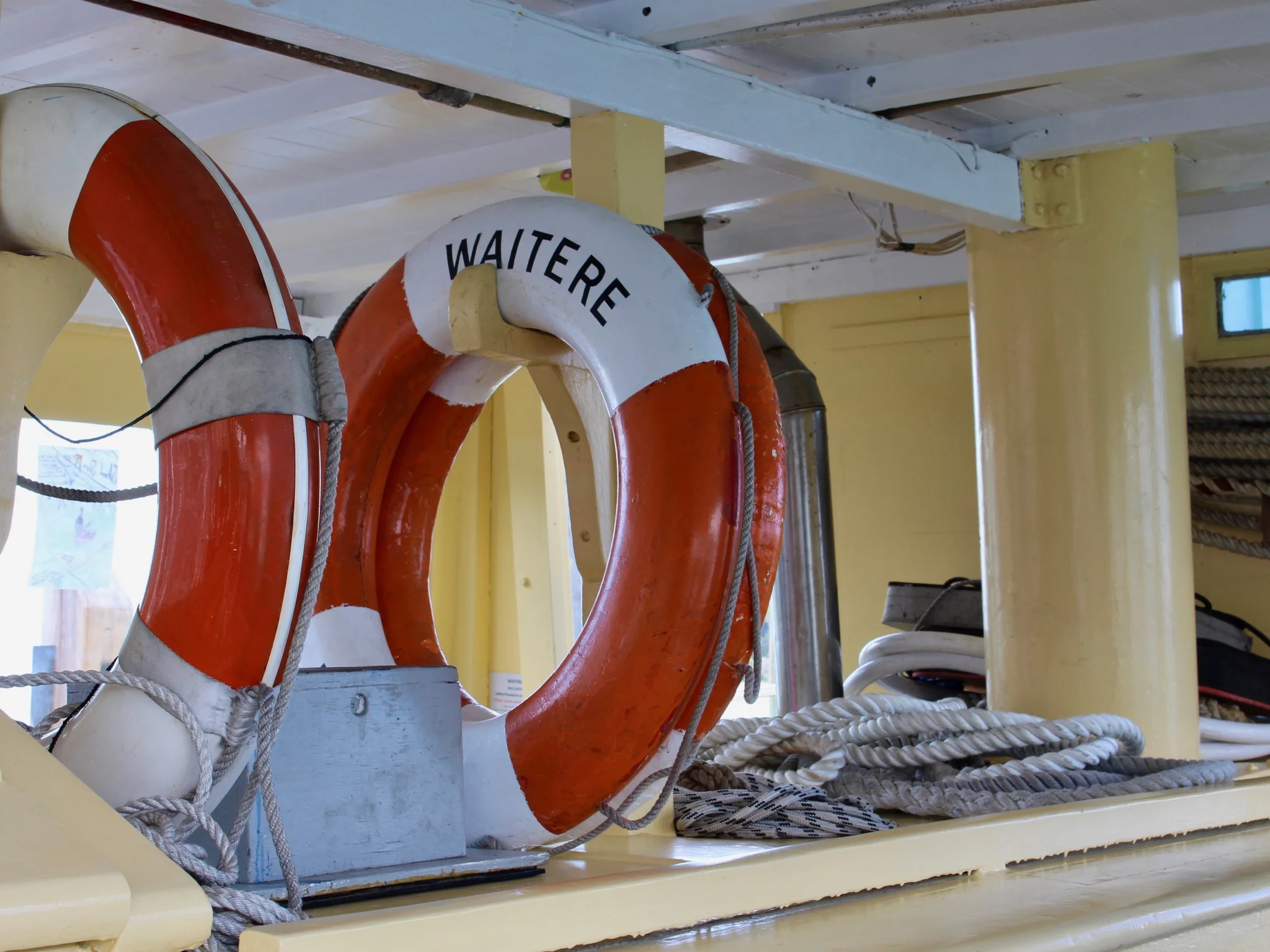
It’s a sunny lunchtime, a perfect time to board the little blue ferry, the Waitere, and head across the Bay of Islands harbour to Russell. Very nice to be on the water, boats bobbing and para-sailers gliding, much scenery to be admired. And the prospect of a taste of Northland ahead.
Welcome to Russell, formerly known as Kororāreka, the first permanent European settlement and seaport in New Zealand. At one time this was dubbed “the Hell Hole of the Pacific”, and briefly was our first capital.
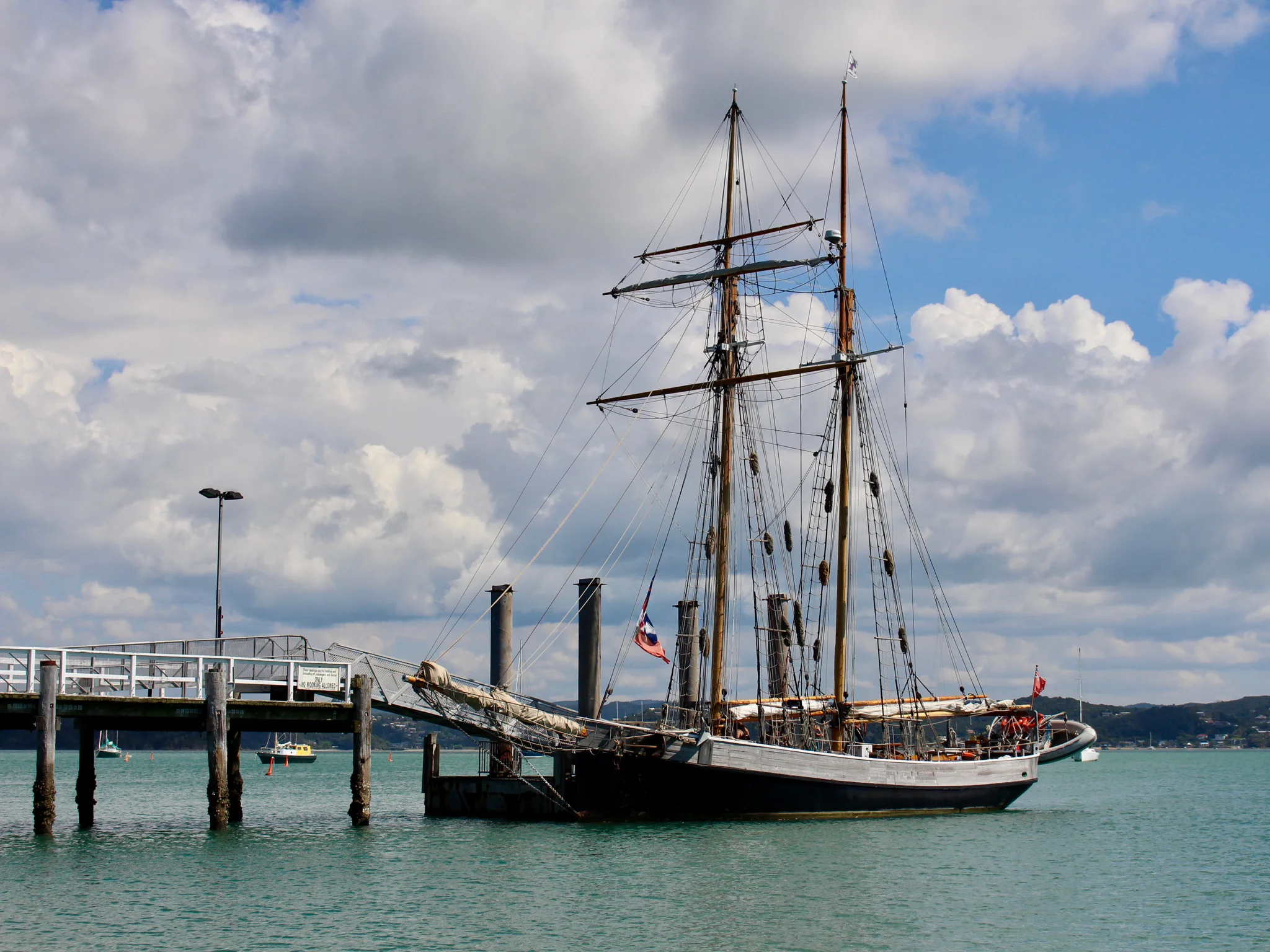
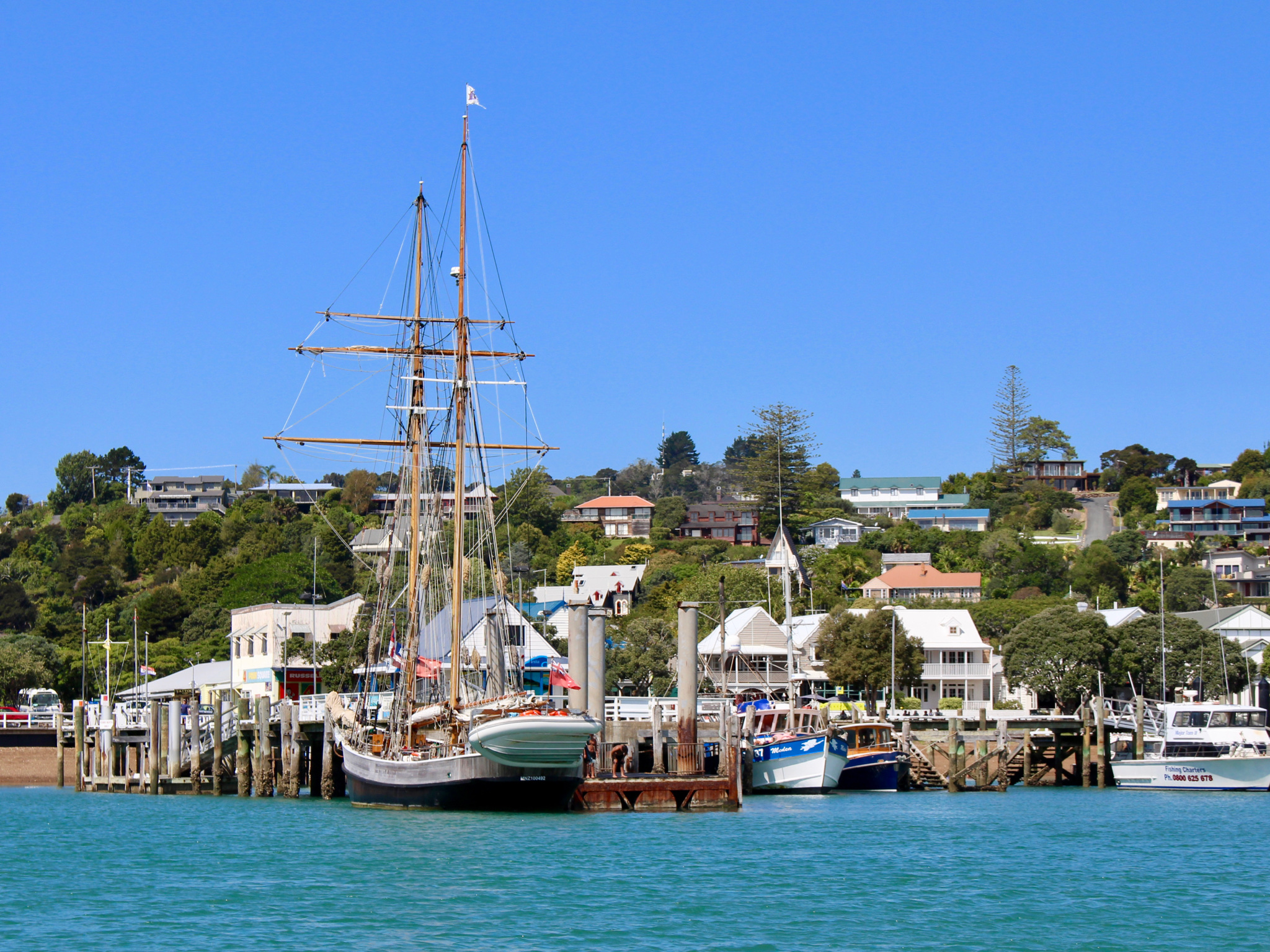
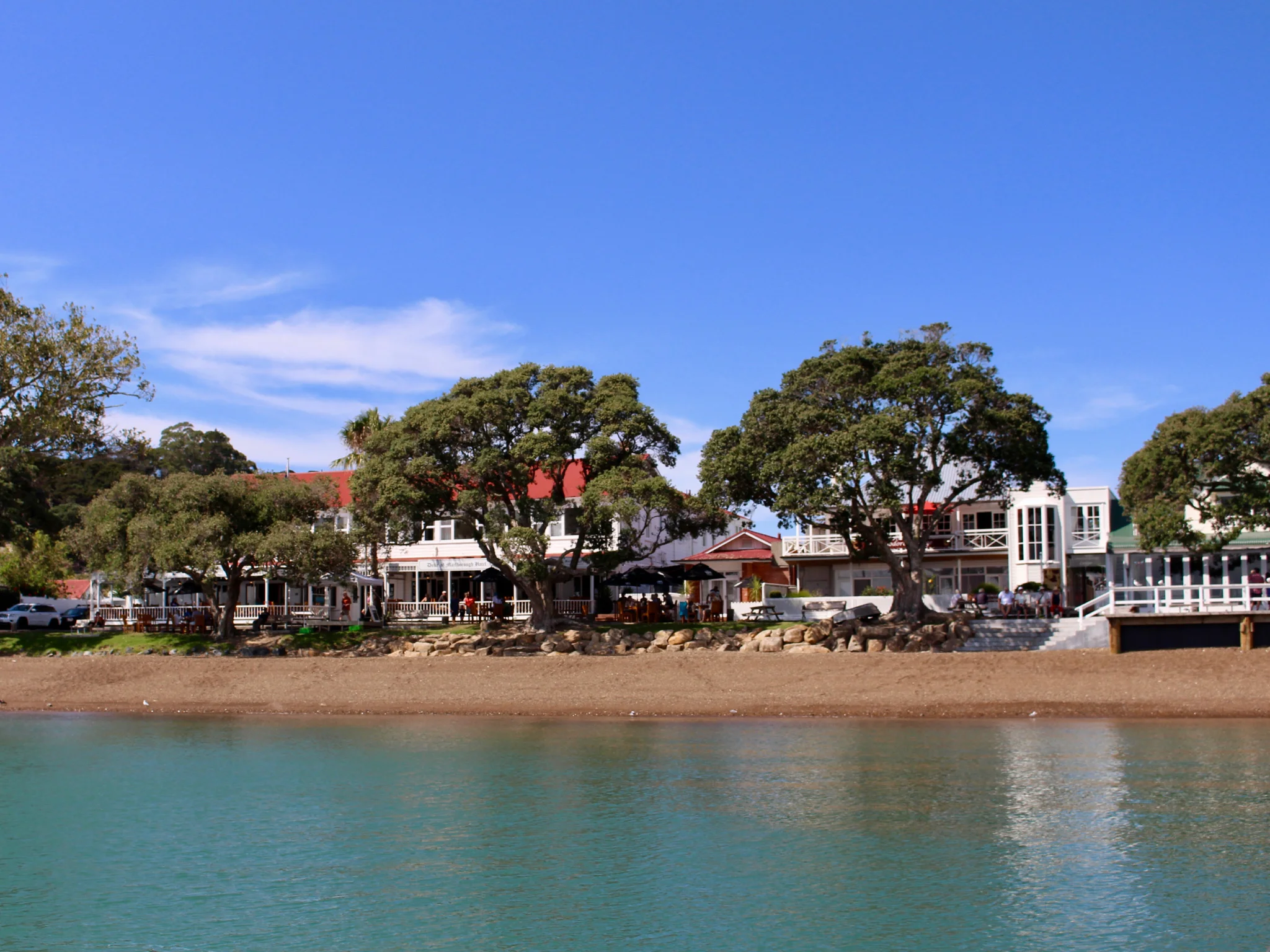
This is the Bay of Islands, in the far north of the north. With its mild climate, it’s a land of plenty, full of delicious foods. And the sun is shining.
Buildings with history
First stop, a walk along the front street, harbour-side. Here’s where you feel a sense of New Zealand’s recent pākehā history.
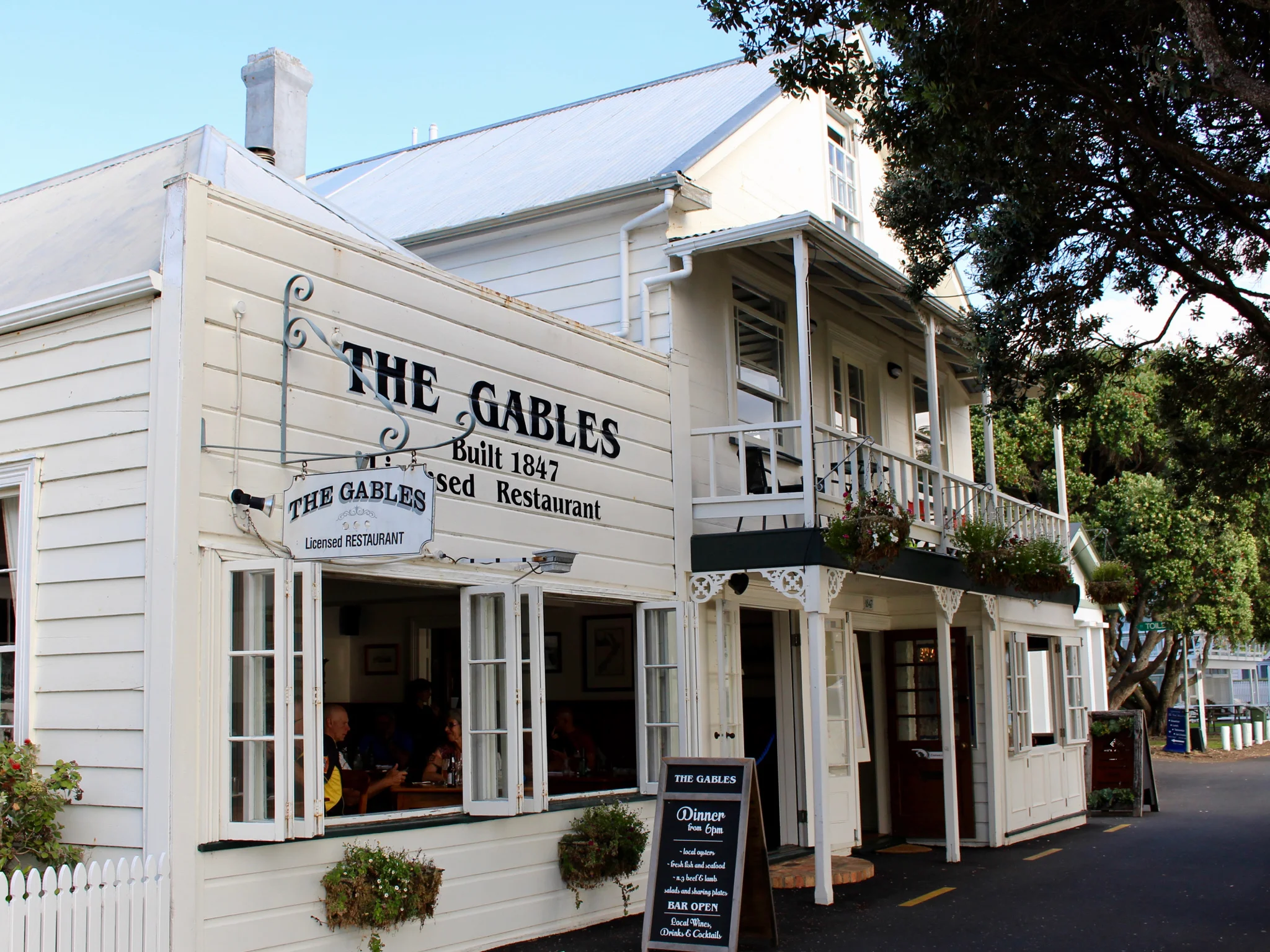
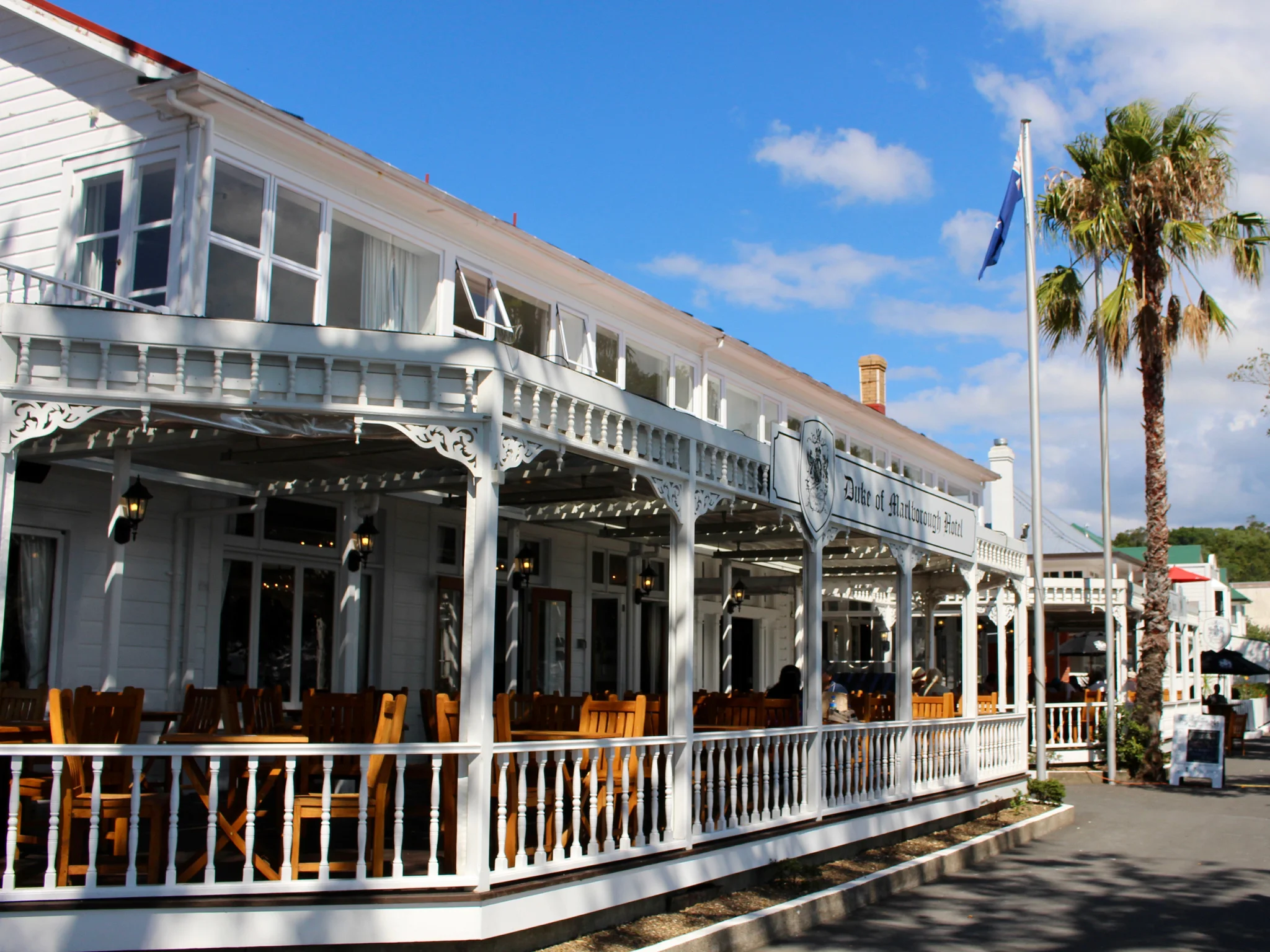
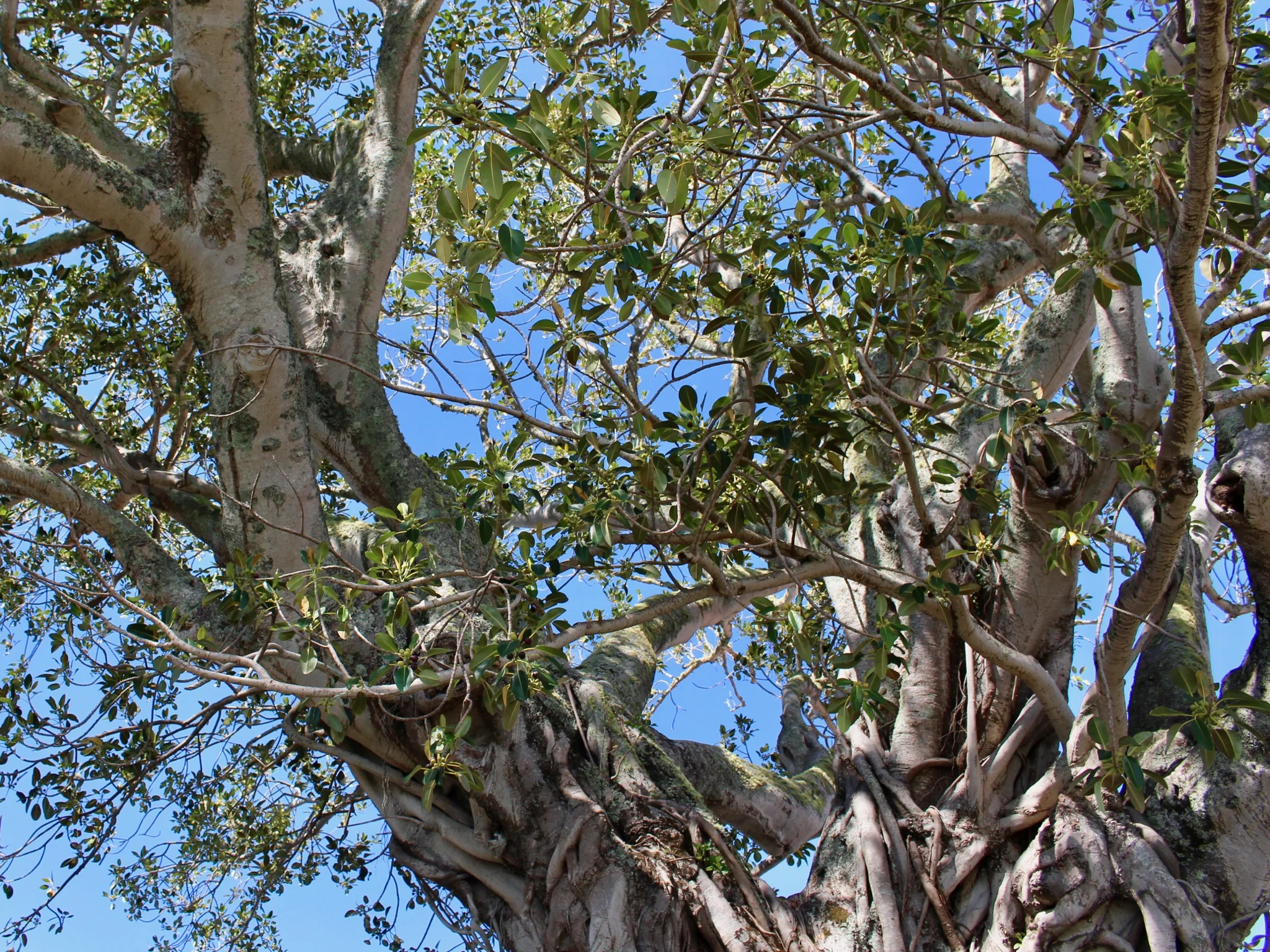
These few streets house some of New Zealand’s oldest and most significant European historic buildings. The Pompellier Mission, built in 1841, and printing press - the Gables, from 1847 and listed with the Historic Places Trust - New Zealand’s first licensed hotel, the Duke of Marlborough - and the old police station, and its aged Moreton Bay fig tree.
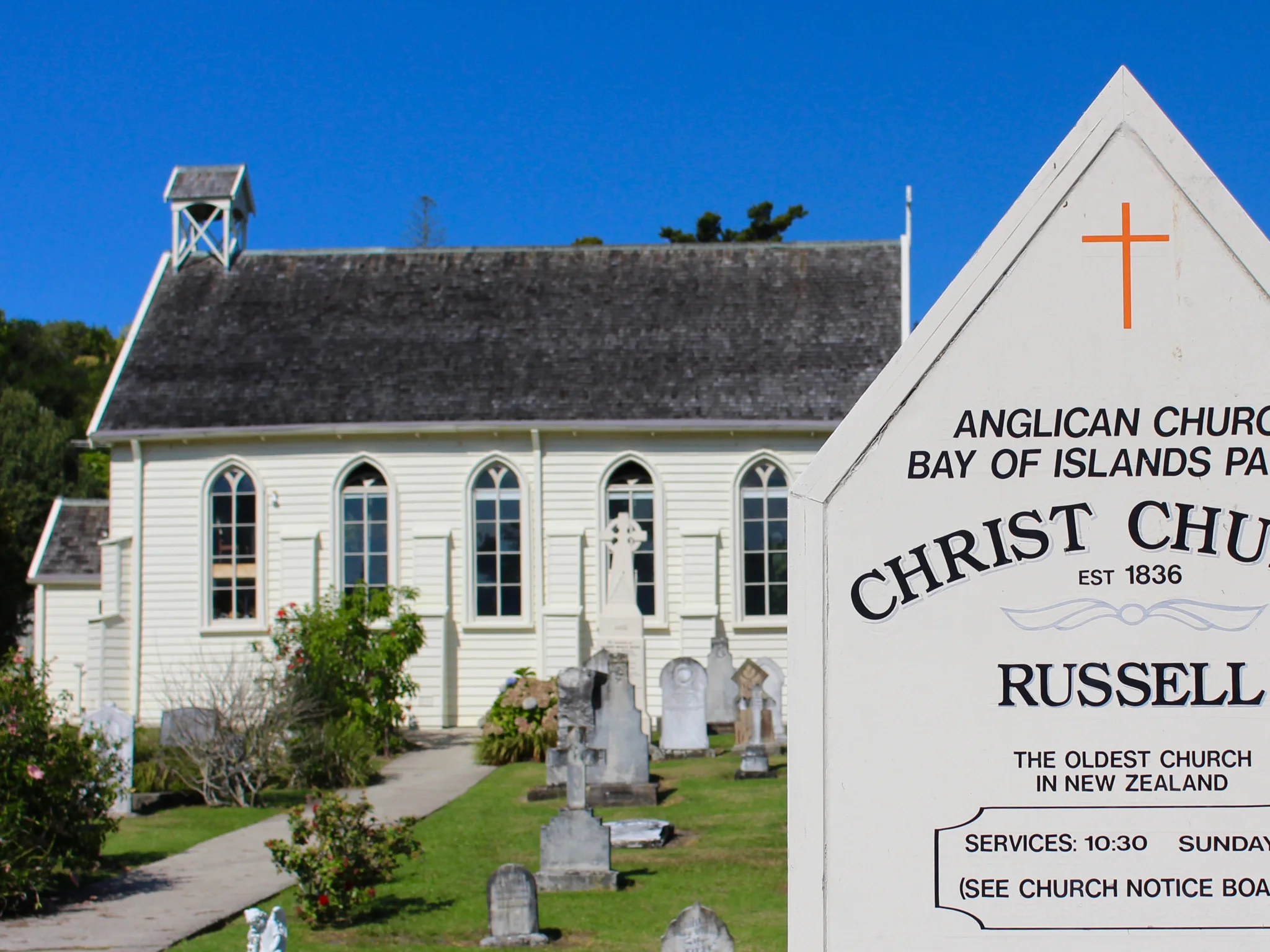
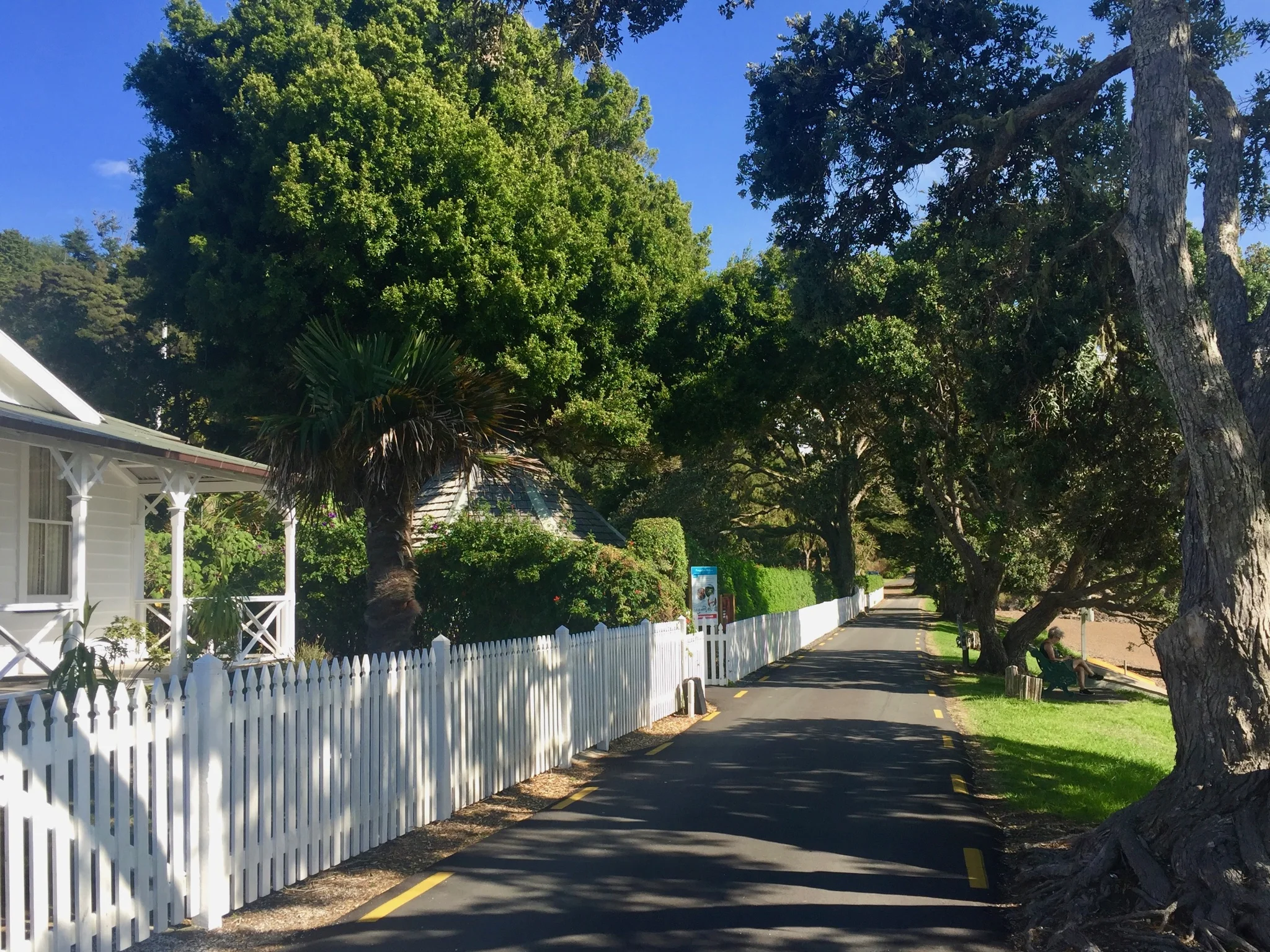
And one street back, there’s Christ Church, Te Whare Karakia o Kororāreka, the oldest existing church in New Zealand, from 1835. The churchyard tells local stories. And there are the musket ball holes in the old weatherboards, left from the 1845 Battle of Kororāreka.
Walking and history, time for sampling.
History with chocolates and kai moana
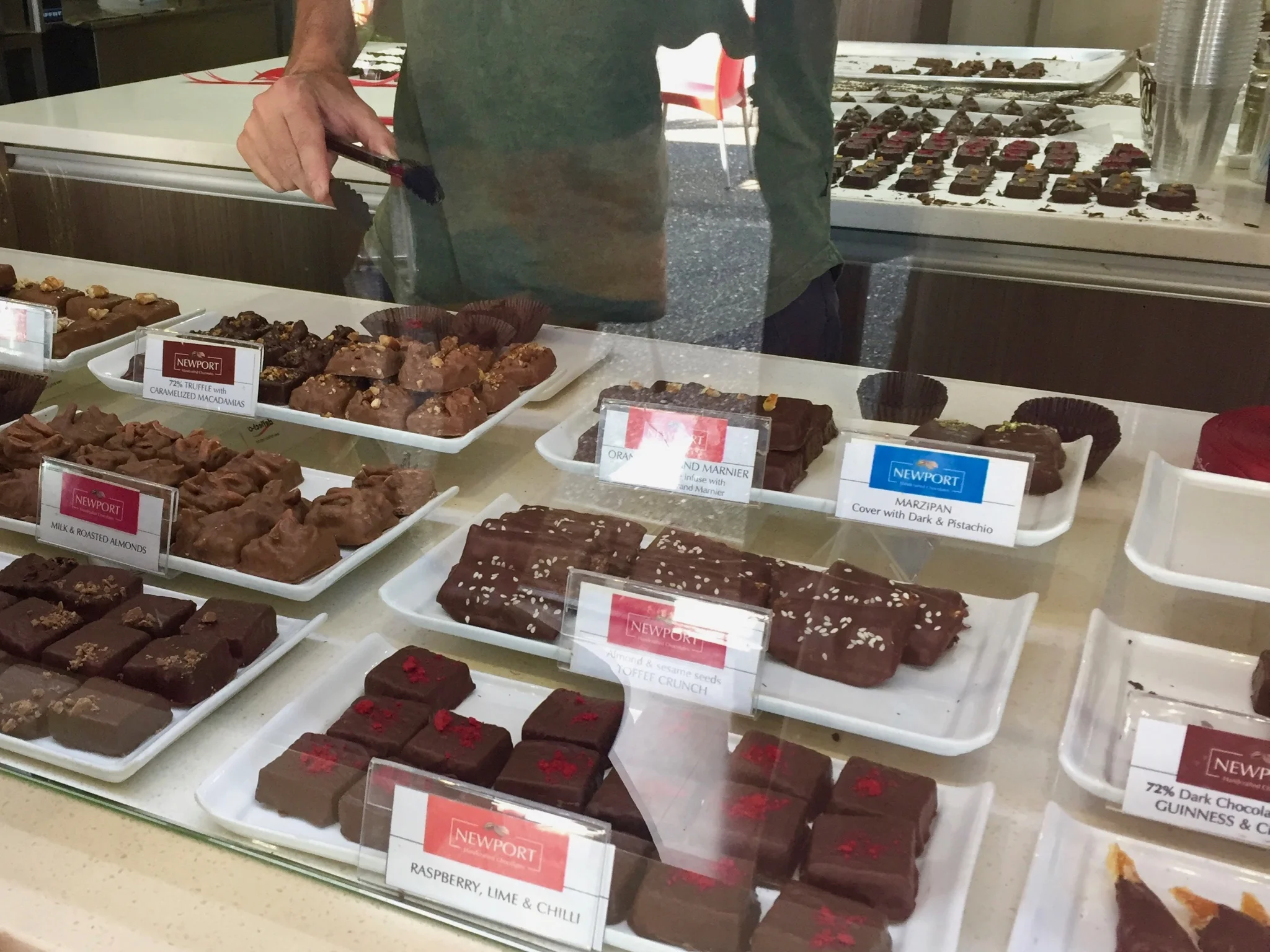
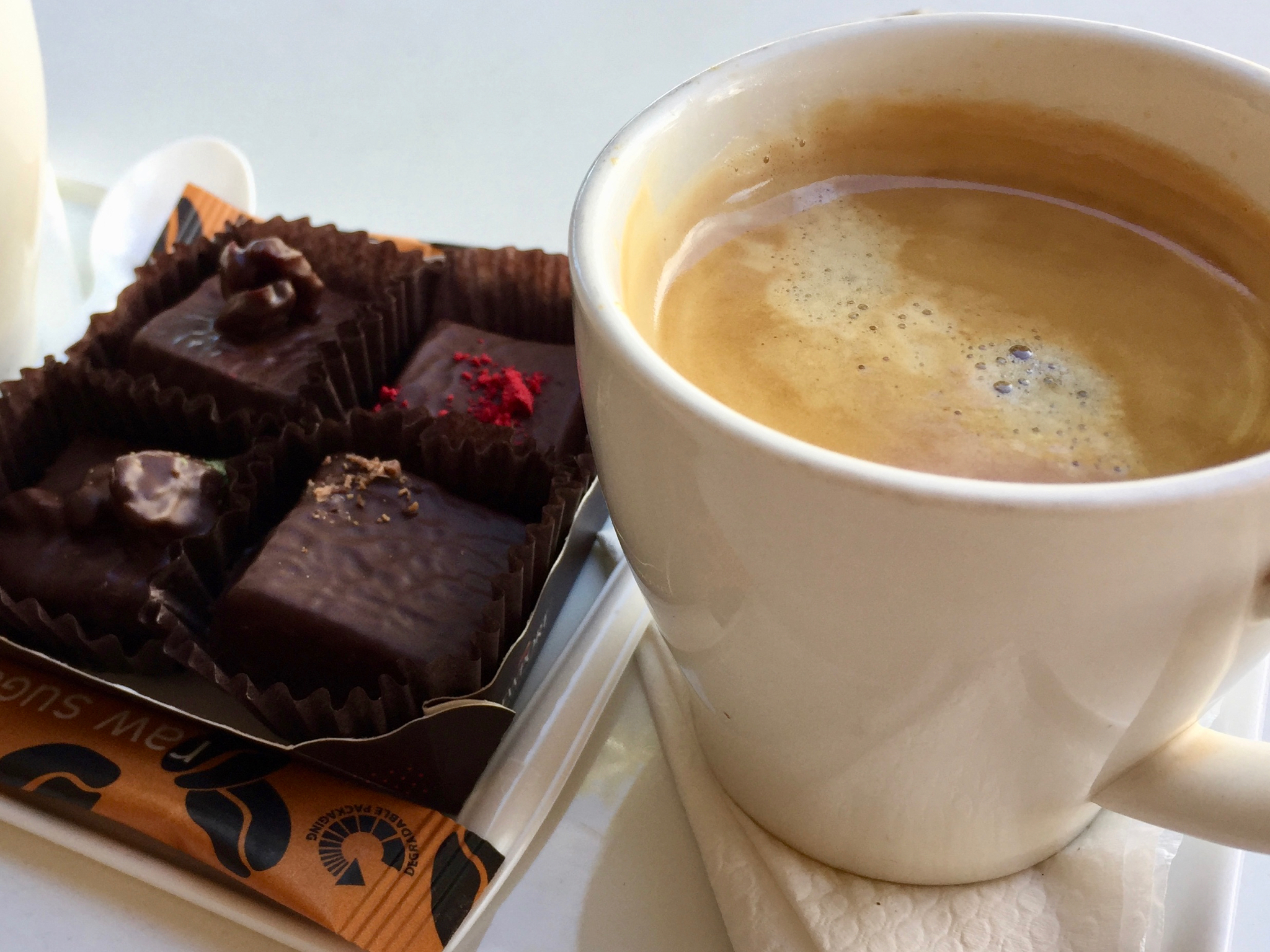
And the sampling starts with delicious artisan chocolates, in view of the sea. All hand-made on-site, with tempting flavours including raspberry, lime and chilli and, a favourite, espresso and tia maria. The hot chocolates look impressive, the strong long blacks are a perfect foil to the chocolate. And the owners tell good stories.
Later, take a drink on the terrace at the Duke of Marlborough, which began life in 1827 as “Johnny Johnston’s Grog Shop”.
Read the history which says the owner Johnny Johnston was an ex-convict come good, fluent in Te Reo and well regarded by local Māori. So he purchased the freehold site of the Duke, one of the first land sales to a European in New Zealand, and changed its name to its current one.
Back then, the Duke of Marlborough was the world’s richest man. So the name was intended to bring “respect, elegance and opulence” to that previously-described hell hole…..Respect is always in style.
And on to the Northland seafood.
There’s fishing off the nearby wharf. And a Taste Northland Menu at the Gables - Orongo Bay oysters, octopus, hapuka and snapper. Not to mention the macadamia nuts, citrus and Mahoe blue cheese. There’s kauri paneling, open fires and original maps, prints and early photographs.
In its time, apparently, it’s been a bordello, bakery, shop, boys’ home and a hiding place for sailors who had jumped ship. Now the treats are its views of the water and tastes of the region.
And a name that fits
There’s a food connection in Russell's origins. The story goes that Kororāreka is named after a broth, made from the little blue penguin, which was given to a Māori chief wounded in battle. He was believed to have said “ka reka te kororā – how sweet is penguin”. And so the town’s name.
The story continues that little blue penguins still come ashore today, after dark on the beach, to nest under the floorboards of waterfront buildings. Those penguins know a tremendous place when they find it.