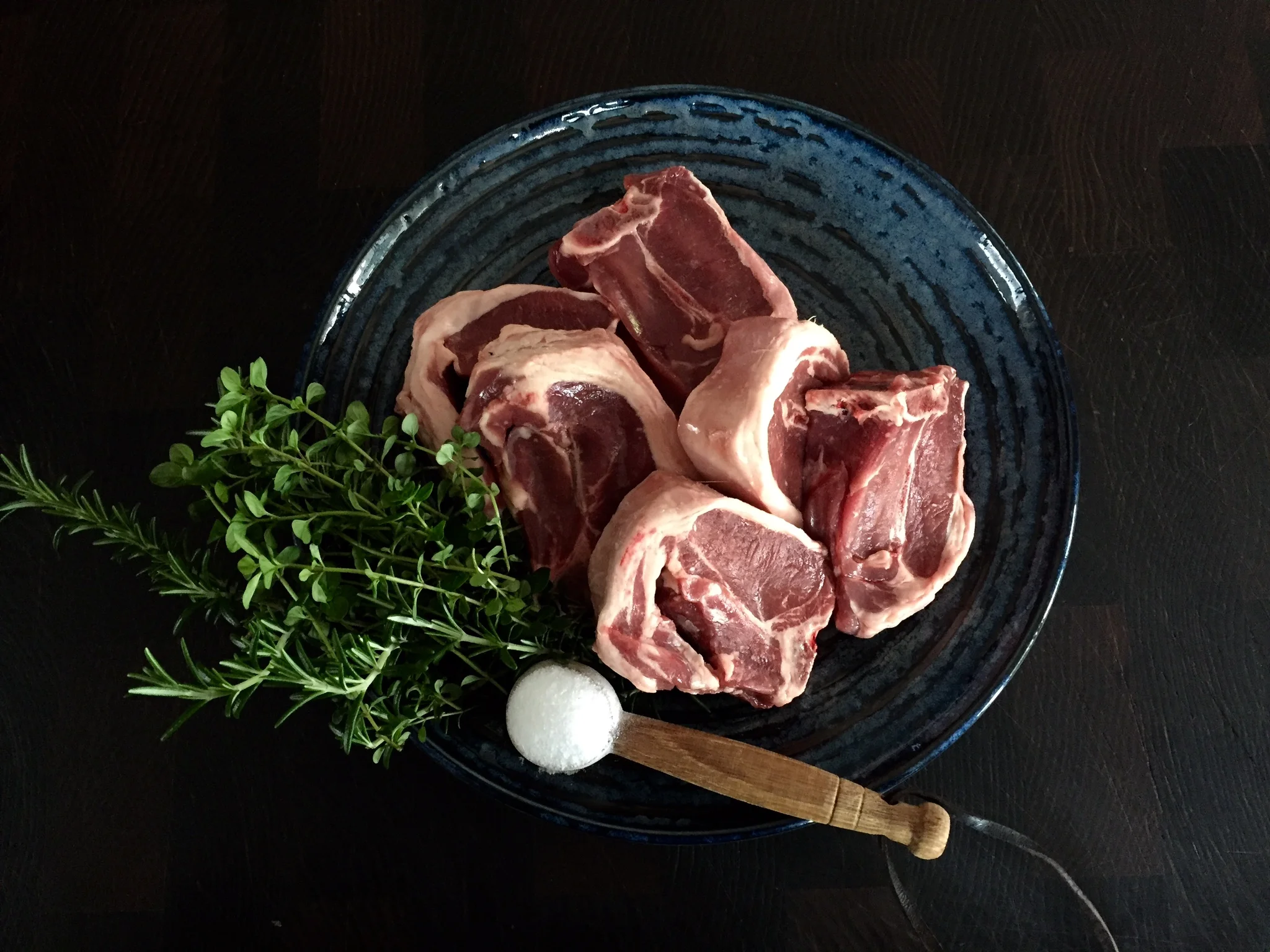
It is spring here in New Zealand, and thoughts turn to spring lamb. We remain the largest lamb producer and exporter in the world, and not just per person (although that per person statistic is pretty impressive, when you think about it). But the spring lamb season got us thinking about all the different types of sheep meat that we can source, and all the delicious things we can do with that meat.
So many sheep for each person
Sheep farming has always been a significant industry in New Zealand. Years ago, the story went that, for every person here, there were more than 20 sheep. Sheep numbers peaked in 1982. And of course there were those sheep jokes……
Sheep numbers have dropped, and the latest we have seen is a total of around 30 million sheep (a count of a little over seven sheep, for every one human). And so, less sheep per person. But it is still true that people here are greatly outnumbered by sheep, and our sheep-to-person ratio is high, relative to other countries - twice that in Australia.
From Cook to export
New Zealand's first sheep came ashore with Captain Cook in the 1770s. Sheep flocks were established from 1840 onwards, but it was not until the late 1860s that the sheep population exceeded what the local market needed. A drop in wool prices made it urgent to find a way to preserve meat, to share with the rest of the world. Meat canning works were established, but quality was unreliable. And so freezing became the more promising venture.
A refrigerated ship, with the first shipment of frozen lamb (and mutton), sailed from Dunedin in February 1882, and arrived in London three months later. The cargo was in sound condition. Freezing works were quickly established, the first being the New Zealand Refrigerating Company at Burnside, Dunedin. By 1889 the number of carcasses exported exceeded one million. And our biggest export industry (for a long time) was underway.
Three types of sheep meat
But sheep meat is more than lamb. There’s also hogget and mutton (or, at least, there used to be). We eat the first one regularly, but we doubt many of us source the latter two these days.
And so what is the difference?
Lamb is the meat from the sheep from birth to less than one year old, without incisor teeth. It has a mild flavour, is low in fat, and requires short cooking times. Hogget is the meat from the sheep that is from one year (with two teeth) to two years old (with more teeth): a more intense flavour, low to medium in fat, and longer cooking times than lamb. Then mutton is the meat from the sheep that is more than two years old, with all teeth. It has a very strong flavour, is high in fat, and needs extended cooking times.
And so that explains the “mutton dressed as lamb” phrase.
Perhaps it also explains why we see lamb available, way more than hogget and lamb. Maybe we like the milder taste, sweetness, and convenience of quicker-cook meats these days…..
Our spring is now
Lamb is often linked to ceremonies and festivals around the world. One example: lamb is celebrated by Christians at Easter (the lamb has a special significance as a symbol of Christ and is shared at Easter celebrations). But that (northern hemisphere) Easter is spring-time. Our spring is now. And, regardless of religious ceremonies and festivals, the spring lamb is a seasonal New Zealand treat.
We enjoy a roast leg of lamb, barbecue, and spring salads and vegetables. But, for a plan-ahead delicious spring salad idea, with lamb shoulder or leg, slow-cooked, click here.