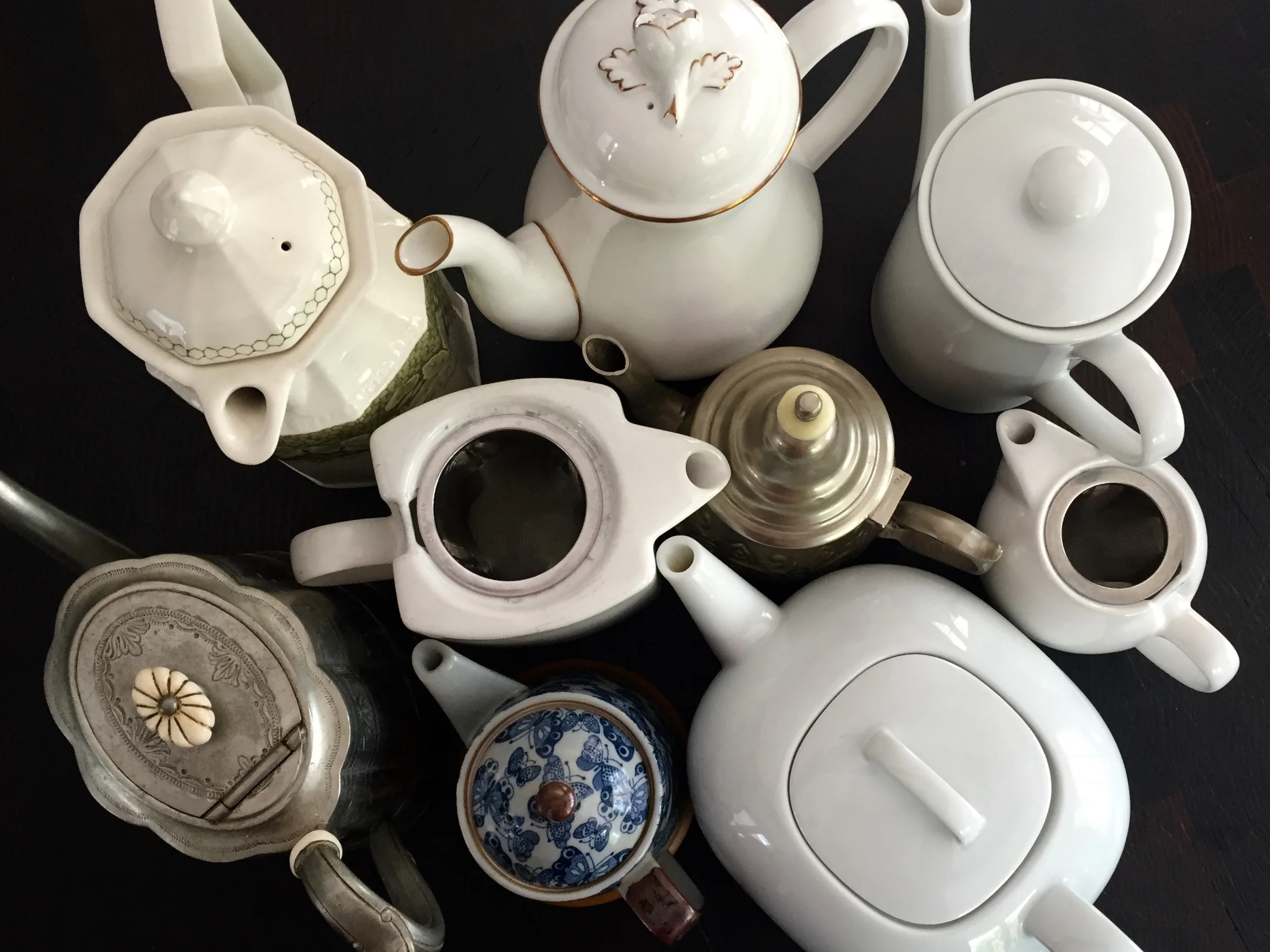
Tea is such an extraordinary beverage. It’s one that so many households turn to for so many occasions - from acknowledging the start of the day, to happily greeting guests, and even to dealing with more difficult times. A pot of tea creates an easy and comfortable bridge for life and conversation to flow beneath. We’ve read that it is the second most consumed drink in the world, water holding top spot. Coffee drinkers don’t get a look in!
So, with the morning cup in hand, we got to thinking about New Zealand’s tea history.
First, what is tea and where’s it from?
True tea is prepared by pouring hot water over the cured leaves of Camellia sinensis, an evergreen shrub, native to the Asian region. Of course, these days many water and herb infusions are referred to as “tea”. But, strictly speaking, it is only true “tea” when the camellia plant is involved.
The earliest records of tea come from China - and it really was quite some time ago. There are apparently ancient texts from around the 10th century BC that suggest tea was then on the drinks menu. This fact may be a surprise to some - many people will associate India and its plantations as the home of tea. But this was inspired by the Brits, possibly as a way to overcome the Chinese tea domination.
An interesting history
When you look into it further, tea was quite a player in fascinating political histories.
Relatively well known is the Tea Act of the British Parliament in 1773, and the Boston Tea Party in part catalysing the American Revolution.
Demand for tea also played its part in China’s early favourable trade balances, and attempts to preserve that led to the 19th century Opium Wars.
And there were also the English tea taxes, where tea sold in drinking houses was taxed “in liquid form”. What this meant was that a coffee/tea house would brew the whole day's tea in the morning, pay its dues to the visiting excise officer, and keep it in barrels reheating it through the day… Fiscal matters were clearly prioritised over taste! This taxing also brought about highly organised tea smuggling networks.
How did tea end up in New Zealand?
Tea, for many New Zealanders, seems a decidedly British institution. So there clearly has to be a link between its Chinese roots, to Great Britain, and then, presumably, to New Zealand as it was colonised in the 19th century.
From our reading, it looks like tea went first from China to Europe - via the Portuguese and the Dutch. Through a 1662 royal wedding (Catarina de Bragança of Portugal to King Charles II of England) her habit of tea it was introduced to the British royal court. Tea was still very expensive - so it started as a luxury beverage for special occasions, and for wealthier households. That’s worth reflecting on the next time you have your humble cuppa. It only became widely consumed during the 18th century, and British drinkers generally preferred black to green.
Sugar and milk with that?
And, of course, let’s not forget that somewhere along the way, British drinkers, and now so many of us, add sugar and milk. These additions were, originally, possibly to counter some of less pleasant brews, and rebrews, that came about from the tea taxes.
There remains the vexed issue of whether the milk goes in the cup first or last. The “correct” (kind of science based) answer is that milk goes in the cup first if the tea is poured from the pot. This ensures the milk heats evenly, the proteins don’t clump, it will taste better, and you won’t get the skin on the top. But if you are brewing in the cup, it’s milk last. If it went in first, the cold milk will cool the hot water too fast, affecting the quality of your brew. There you have it, matter settled.